- Chandrababu government turns Vijayawada Utsav into a collection drive
- Traders pressured to pay ₹25,000 each
- Government spends not a single rupee, yet collects money
- Publicity gets priority over devotee facilities during Dasara
- A publicity spectacle with little benefit to the public
- Vijayawada’s history, culture and development ignored for publicity stunts
- Criticism over promotion of Western culture
- Charges of collections being carried out under the supervision of CM Chandrababu and MP Chinni
- Super Six and Super Seven promises remain unimplemented
- After deceiving every section, how can the government celebrate claiming people are happy?
- Criticism mounts against the Chandrababu government
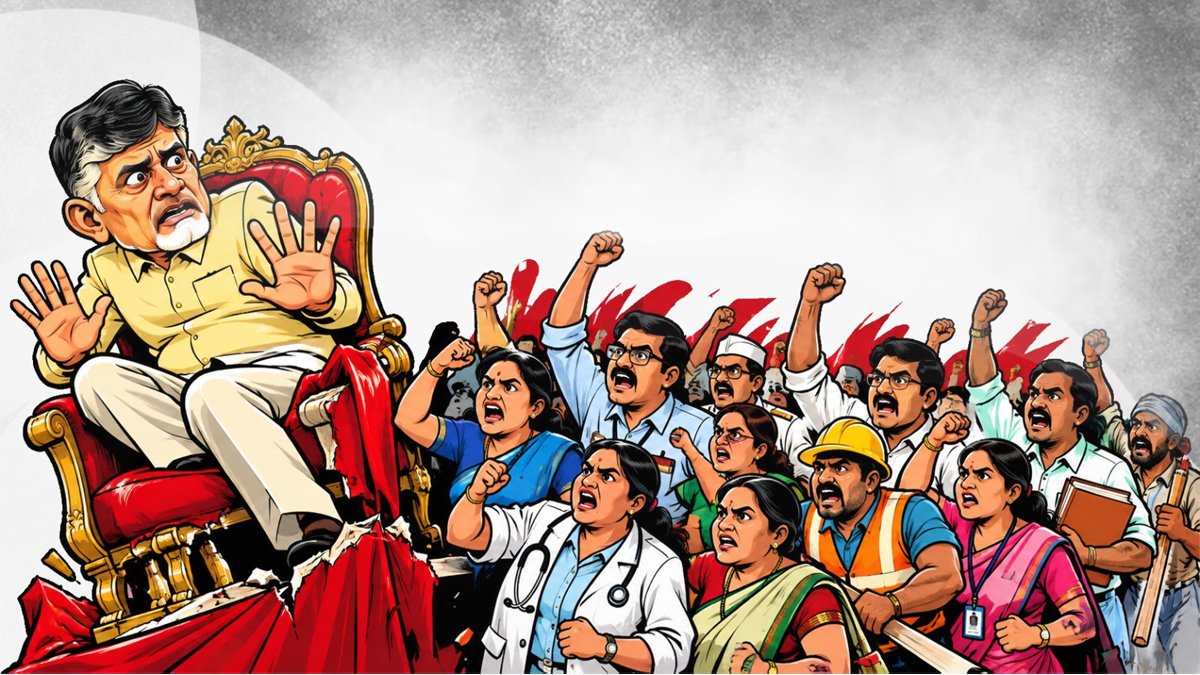
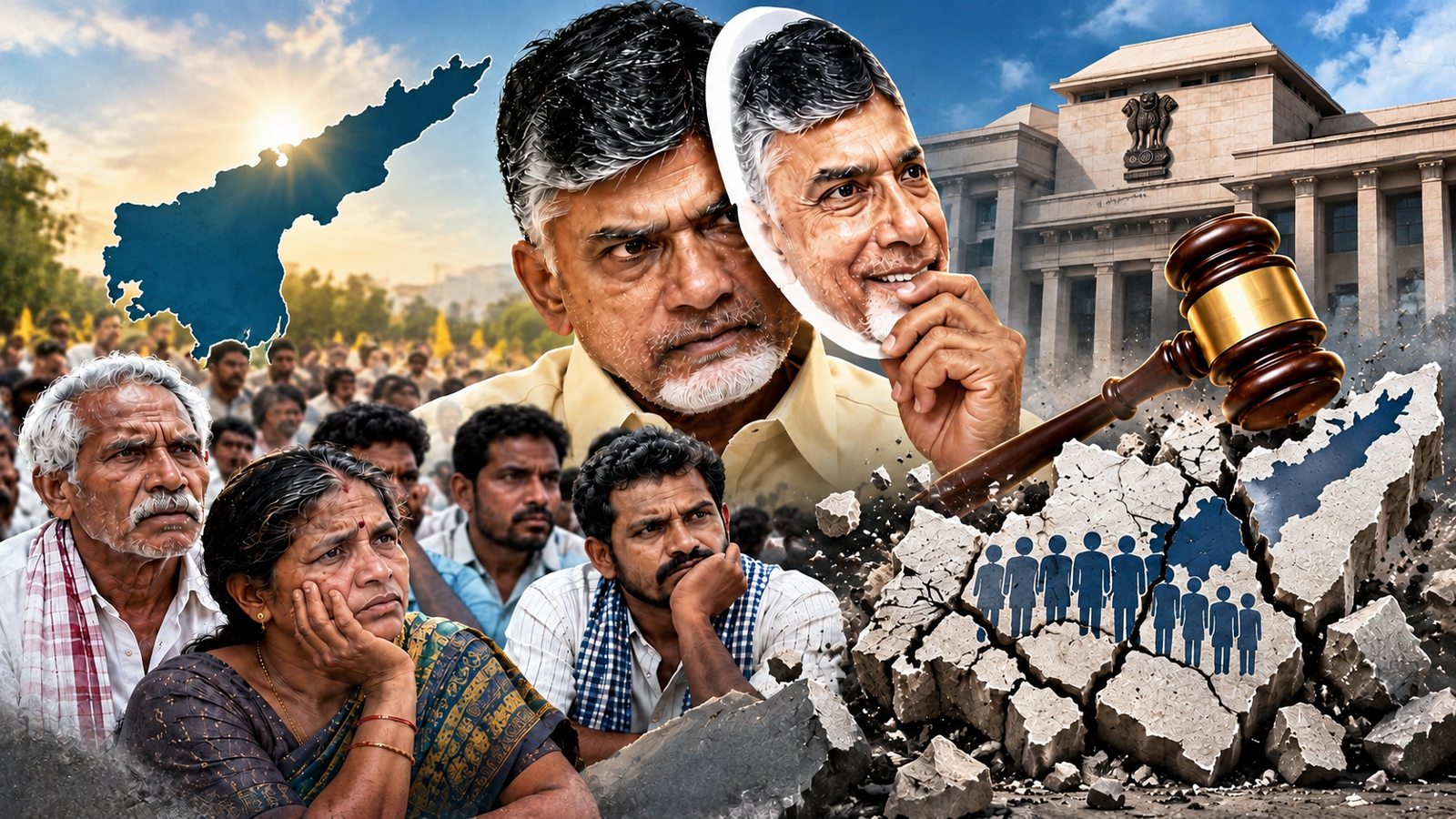
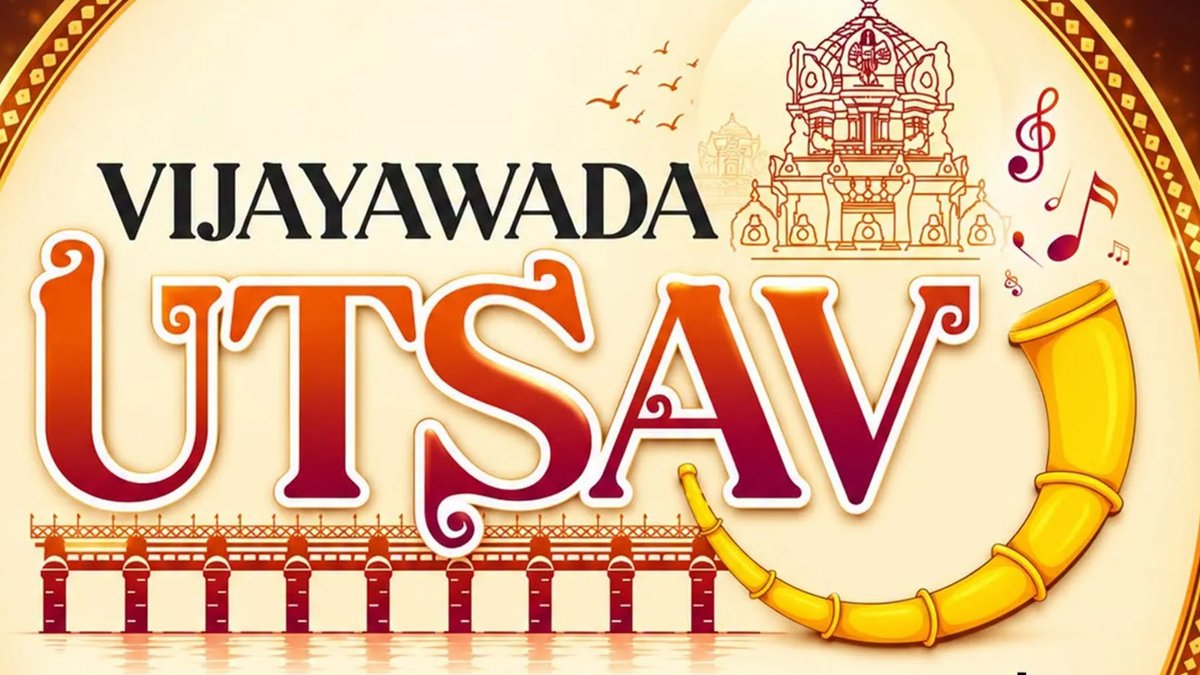
Severe criticism is pouring in over the Vijayawada Utsav programmes being organised during the Dasara Sharannavaratri festivities. On one hand, devotees visiting Indrakeeladri for the darshan of Goddess Kanaka Durga are struggling without even basic facilities. On the other, complaints are emerging that traders are being pressured to contribute money in the name of Vijayawada Utsav. YSRCP is questioning why the government is placing the financial burden on traders without allocating funds of its own and why there is no transparency in the organisation of the festival.
Dasara has a special spiritual and cultural significance for Vijayawada. Lakhs of devotees from across the State visit the city for the darshan of the Goddess. At such a time, the administration should primarily focus on devotee safety, queue-line management, drinking water, food and medical services. However, widespread criticism is that the government is giving greater importance to Vijayawada Utsav and other special programmes than to facilities for devotees.
Devotees Suffer, Publicity Takes Centre Stage
A large number of devotees are arriving at the Kanaka Durga temple in Vijayawada for the Dasara Sharannavaratri celebrations. On the very first day, devotees faced severe difficulties in getting darshan and struggled to stand in queues for hours. There was widespread criticism that the government had failed to make adequate arrangements.
Against this backdrop, the Chandrababu government’s focus on Vijayawada Utsav instead of devotee facilities has become a matter of debate. The entire official machinery is engaged in Utsav-related activities, giving rise to criticism that the event is being used mainly for publicity. A new programme called “SARAS” has also been introduced this year. Devotees are questioning why officials are concentrating on Utsav activities instead of making arrangements proportionate to the festival crowds.
Collection Drive Under MP Chinni
Vijayawada MP Kesineni Chinni is overseeing the Utsav arrangements. On one side, there is intense activity in the State over the notification and nominations for local body elections. On the other, ordinary devotees on Indrakeeladri are facing difficulties because of the dominance of government leaders and ruling-party representatives.
In these circumstances, opposition parties are questioning the need to organise Vijayawada Utsav at this time. Criticism is also mounting that MP Chinni is indulging in politics instead of discharging his responsibilities. Instead of securing funds from the Centre for such programmes, pressure is being exerted on traders, which has become a major issue.
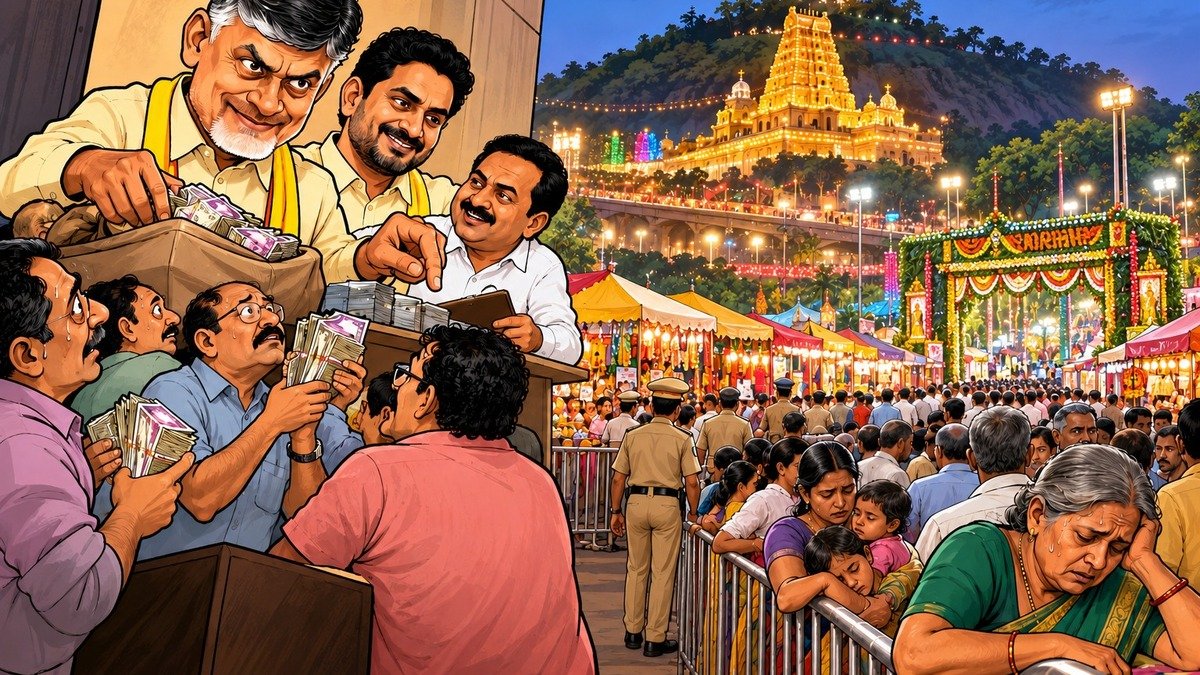
The government is not spending funds of its own, but collections are being made from traders, with claims that ₹25,000 is being collected from each one. The city has major industrialists, hotel owners, textile traders, business associations, nearly 200 associations and the Chamber of Commerce. Criticism is that all these bodies are being brought under pressure for collections.
No Schemes, No Incentives, Only Pressure
At present, traders across the State are struggling without incentives. With poor money circulation and weak business activity, many are already under financial pressure. In such circumstances, traders say it is unfair to threaten them in the name of Utsav and force them to arrange lighting and decorations.
YSRCP says large amounts are being collected, while even the income and expenditure accounts relating to last year’s collections have not yet been disclosed. Questions are being raised over where the money for such large-scale programmes is coming from, how much is being collected from whom, and how these funds are being spent.
YSRCP has demanded that at least this year the government disclose comprehensive details regarding donations, sponsorships, stall allocations, ticket revenue and organisational expenditure. It also said that if government land, public resources and official machinery are being used for the festival, those details too must be placed before the public.
YSRCP questioned why city residents should be subjected to such collection drives. It also asked why dignitaries are being invited from other States merely to create the impression that something extraordinary is happening.
Where Is Vijayawada’s History?
The opposition has questioned the lack of emphasis on Vijayawada’s history, cultural heritage, personalities who contributed to the city’s development, philanthropists and public organisations.
It demanded that the festival highlight Vijayawada’s journey from a municipality to a municipal corporation, the people who played important roles in the city’s development, and the history of charitable feeding centres and other institutions.
Instead, criticism is that priority is being given mainly to dances and entertainment programmes, while Western culture is being promoted.
Controversies Last Year Too
The 2025 Vijayawada Utsav was also surrounded by controversies. YSRCP had questioned the use of Gollapudi lands belonging to the Godugupeta Venkateswara Swamy Temple in Machilipatnam, the role of the Vijayawada Vibrant Society, stall allotments and ticket prices.
Criticism was raised at the time that temple lands were being used for other purposes and that there was no transparency in fund mobilisation.
Where Are the Answers?
Dasara celebrations should provide devotees with a spiritual experience and offer the people of the city cultural enjoyment. The objectives of such festivals should include providing opportunities to local artists, generating income for small traders and enhancing Vijayawada’s tourism identity.
But organisers also have a responsibility to ensure that these activities do not cause hardship to the public.
What are the details of donations being collected from traders? Where are last year’s income and expenditure accounts? What action has been taken on complaints regarding devotee facilities? The government has a responsibility to answer these questions.
Lakhs in Rent for Government Spaces?
The government must also answer questions regarding stall allotments and rents during Vijayawada Utsav. Government venues such as Punnami Ghat, Makineni Basavapunnaiah Stadium, Tummalapalli Kalakshetram and Ghantasala premises are being used for festival activities, while complaints have emerged that rents running into lakhs of rupees are being collected.
YSRCP questioned whether it is justified to collect such large rents from small traders while using government land for the festival. It also raised complaints that traders and educational institutions are being pressured to set up stalls.
The party demanded disclosure of the total revenue generated from ticket sales, how much is being spent on artists’ remuneration, stage arrangements and other organisational expenses, and how the remaining funds are being utilised.
Diversion from Failures, Publicity Stunts
There is growing criticism that the Chandrababu government, after shelving its Super Six and Super Seven promises, is using such publicity programmes to divert attention from scams, financial irregularities and failures across sectors.
The government is facing questions over remunerative prices for farmers, fertiliser supply, women’s safety, law and order, drugs and ganja cases, the DSC issue, drought, transfer of lands and rising prices of essential commodities. Critics say publicity programmes are being used to divert public attention from these issues.
At the same time, welfare schemes of the previous government such as Aasara, Cheyutha, Kapu Nestham and EBC Nestham have been stopped, leaving several sections in distress. Criticism is that the government is adding to people’s burden instead of providing relief.
YSRCP demanded that the government give priority to implementing the promises made to the people and resolving their problems, while also immediately restoring and implementing welfare commitments instead of limiting itself to festival publicity.