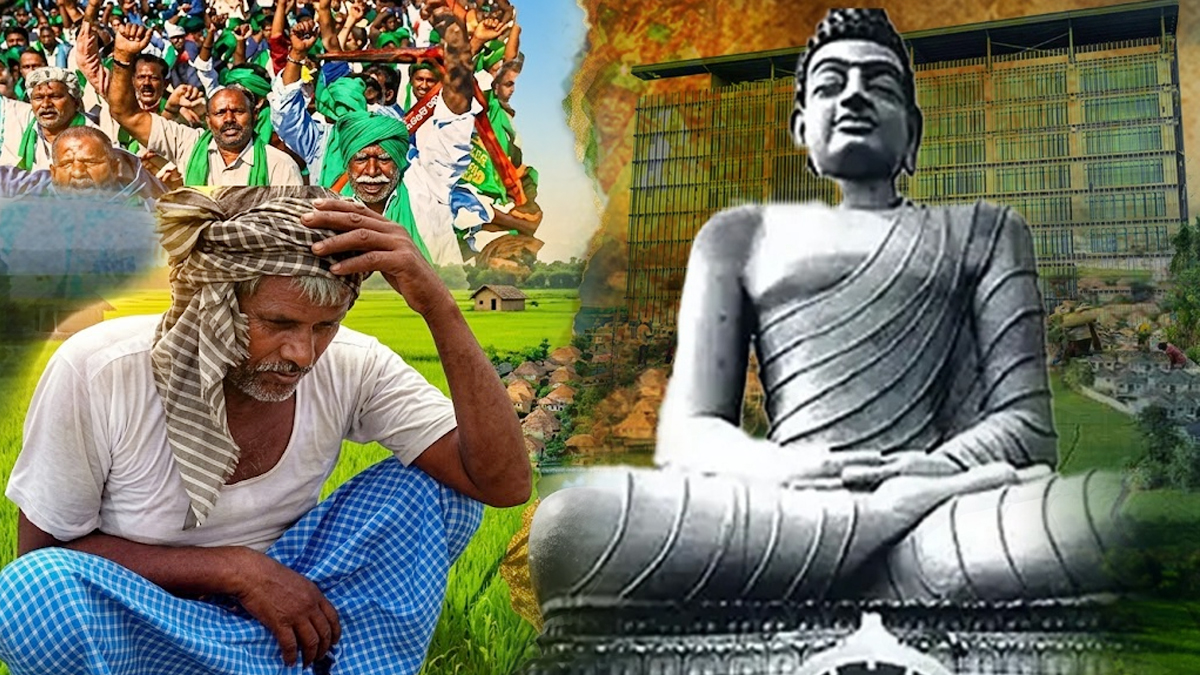
“Where is the Farmer in Amaravati?”. This is no longer just a question, but a growing cry from the very people who sacrificed their lands to build the capital. Nearly 13 years after Amaravati was envisioned as a world-class city, the promise remains incomplete, and the farmers who made it possible are still waiting for justice.
What began as a self-financing model has now drifted into a debt-driven project, with no clear timeline, no transparent plan, and no visible end. Construction works remain scattered and stalled, while thousands of farmers continue to struggle with unresolved issues, from confusion over returnable plots to allocations in low-lying and waterlogged areas. Many still do not know where their plots are, even years after giving up fertile land.
A Capital built on Promises
After the bifurcation of Andhra Pradesh, a new capital was required. In 2015, Amaravati was announced with grand promises, a world-class city, global infrastructure, and thousands of jobs. However, even after nearly 13 years, the project lacks clear direction. Slow progress, unresolved farmer issues, and rising debts have become major concerns.
Phase-1 issues still unresolved
When land pooling began in 2015, there were no major projects, no finalized Singapore master plans, no Norman Foster designs, and no visible infrastructure. Yet, about 35,000 acres were collected from farmers, who were told it was voluntary.
Where is the Farmer Today?
Time has passed, but farmers’ issues remain unresolved. Projects started but stalled midway. Across Amaravati, one sees incomplete buildings, halted works, and abandoned sites. The government is unable to clearly state when the capital will be completed. Lack of vision and planning is widely criticised.
From Self-Financing to debt
Initially, the capital was projected as a self-financing model, where land development and sale would fund construction. Now, the model has shifted to heavy borrowing, increasing the financial burden on the state, with no clarity on total project cost.
Resistance to Phase-2 land pooling
Despite unresolved Phase-1 issues, Phase-2 land pooling has begun. Unlike 2015, when 35,000 acres were pooled, in 2026 even 10% of farmers are unwilling to participate. This reflects declining trust and growing uncertainty.
Unresolved Farmer issues
Farmers face multiple challenges:
- Confusion over returnable plots
- Lack of clarity on plot locations
- Frequent map changes
- Lack of infrastructure in allotted plots
- Allocation of plots in ponds and low-lying areas
Farmers have openly questioned officials in village meetings:
“We gave fertile lands, why are we being allotted plots in waterlogged areas?”
Continuous Protests
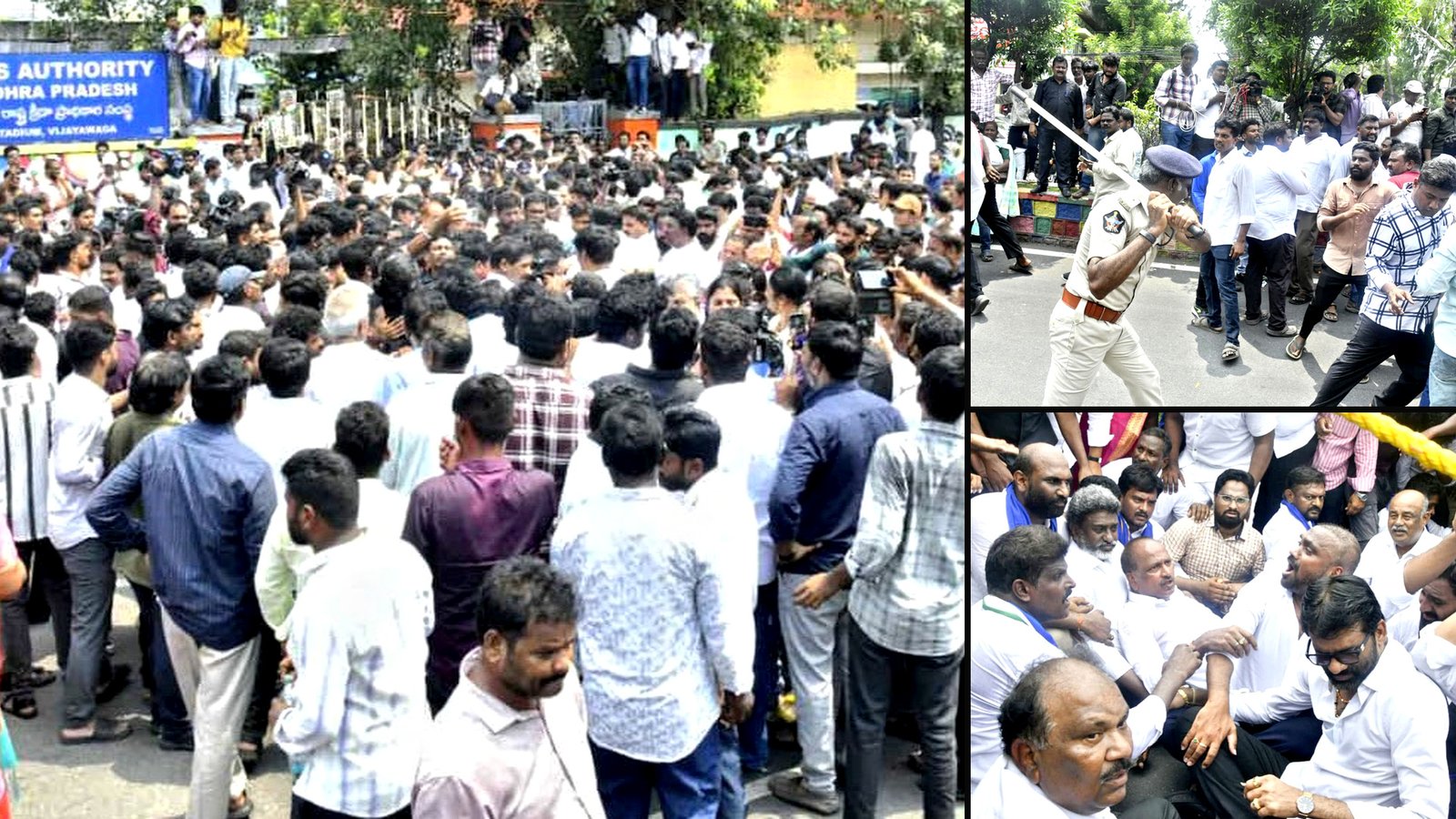
Farmers are protesting daily in front of the CRDA office. Issues like declining land value and lack of development are causing distress.
The recent death of a farmer named Rama Rao due to financial and project-related pressures has deeply shaken the region, highlighting the human cost of the project.
Unanswered Questions
- Why is the capital incomplete even after 13 years?
- When will the stalled work resume?
- When will there be clarity in planning?
- How much debt has been taken for Amaravati?
- Why should people bear this burden?
- When will farmers receive their promised returnable plots?
- Why are farmers not participating in Phase-2?
- When will justice be delivered to farmers?
Political drama around Amaravati?
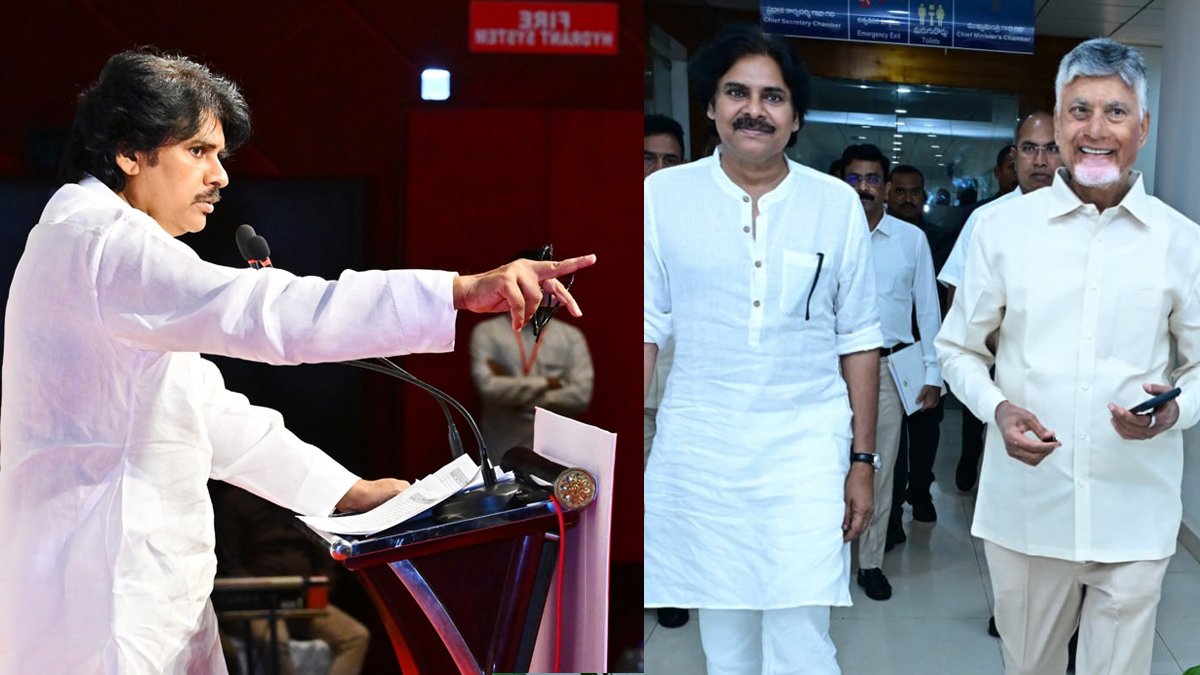
TDP leaders continue to accuse YSRCP of creating confusion over Amaravati. However, YSRCP’s decentralisation policy included Amaravati as one of the capitals, and steps were taken for its development during its tenure.
Currently, there are no doubts about Amaravati as a capital, yet political narratives and misinformation continue, leading to criticism of ongoing “political drama.”
Farmers are asking a simple question: “You are building a capital with our land… when will you fulfil the promises made to us?”