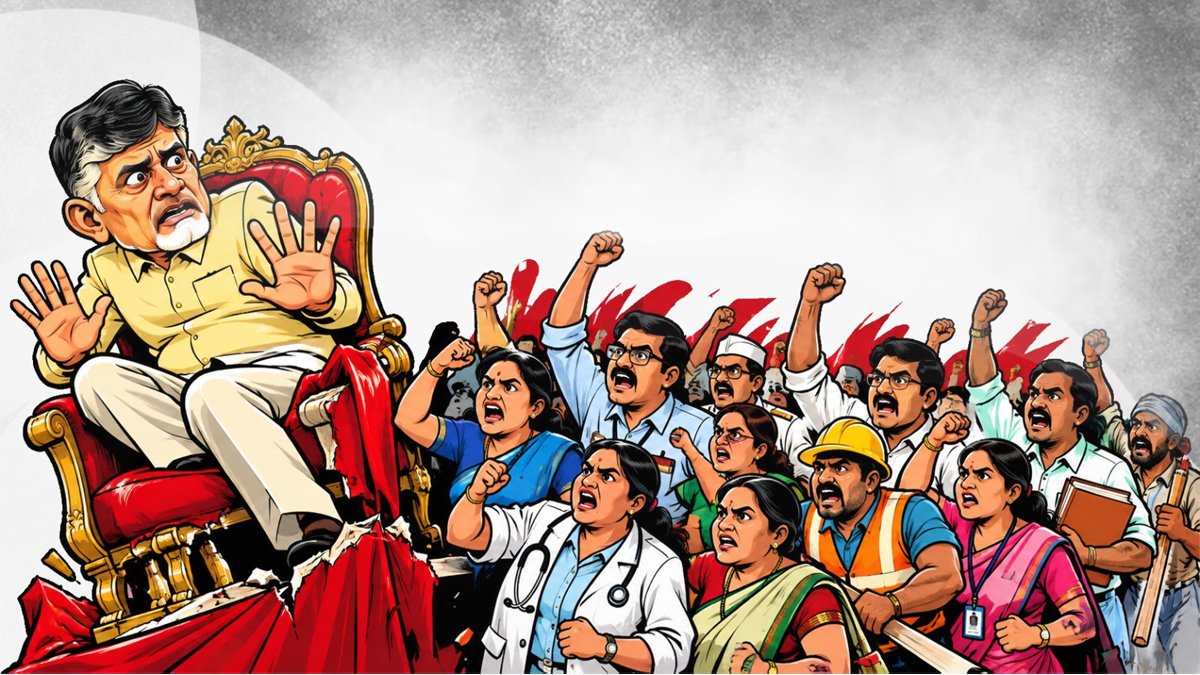
The Andhra Pradesh government has repeatedly claimed that it is winning the war against drugs and transforming the state into a “drug-free Andhra Pradesh.” But incidents on the ground continue to tell a very different story. Hardly a week passes without reports of narcotics being seized or drug peddlers being arrested somewhere in the state, raising serious doubts over the government’s claims.
The latest incident from Tirupati has become one of the most shocking examples yet.
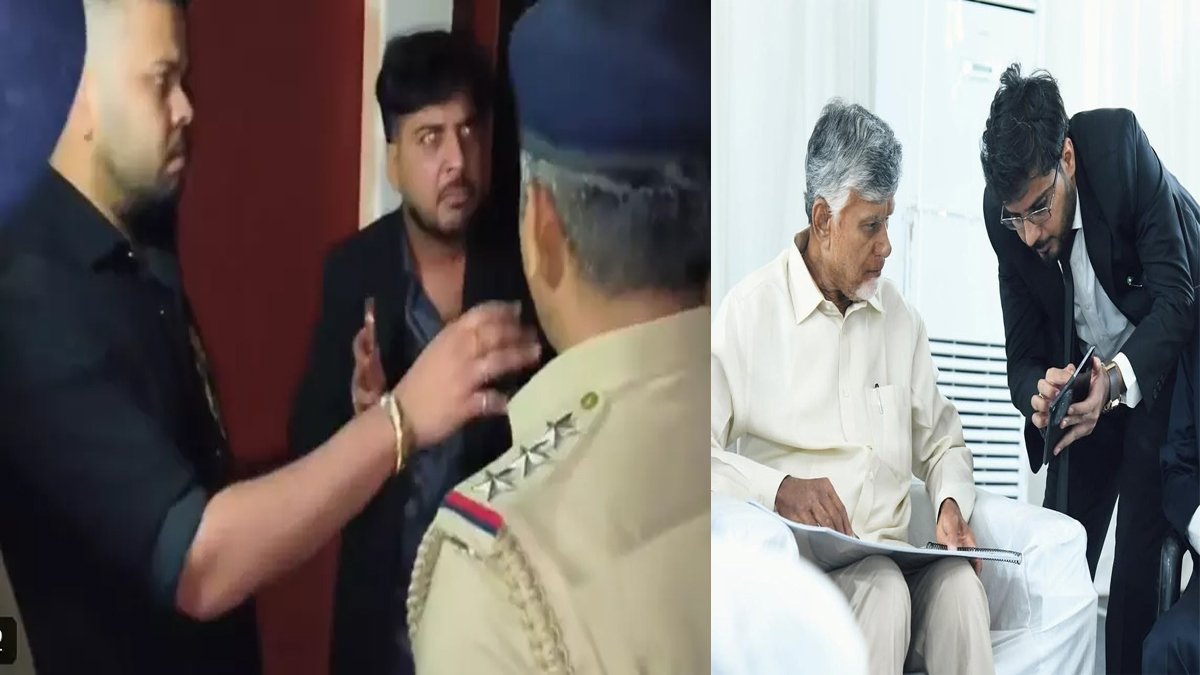
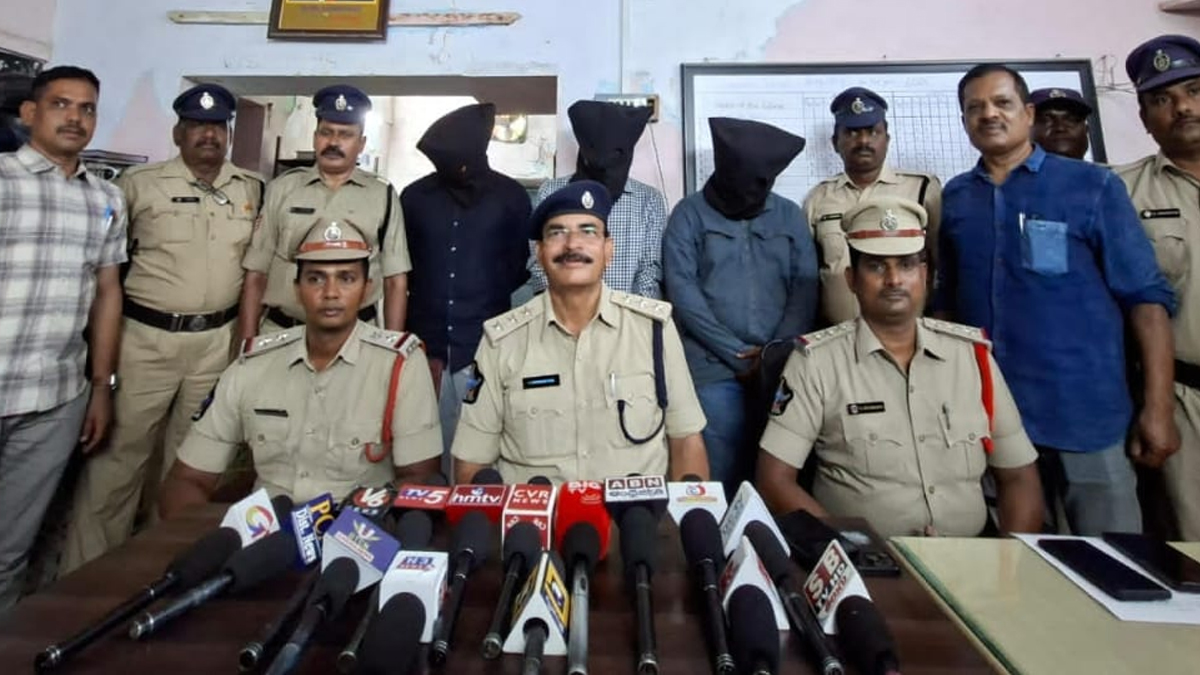
Renigunta Police arrested Rahul Yadav, a Junior Assistant working at the Archaka Bhavan of Sri Govindaraja Swamy Temple under TTD, along with two others after seizing 63 grams of methamphetamine worth around ₹3 lakh. According to the investigation, the accused were allegedly supplying methamphetamine to engineering college students in and around Tirupati, exposing how deeply drug networks are allegedly targeting the youth.
The case has been registered as Crime No. 126/2026 under Sections 8(c), 22(c), and 29 of the NDPS Act. The investigation has now widened, with authorities conducting bio-check tests on suspected drug users, analysing the digital footprint of seized mobile phones, and pursuing leads linked to a Bengaluru-based drug supply network while identifying other local conspirators involved in the racket.
What makes the case particularly disturbing is not just the quantity of drugs seized, but the location and the identity of one of the accused. Tirupati is one of the country’s holiest temple cities, visited by millions of devotees every year. Yet, drugs were allegedly being circulated in the city, and one of the accused is a TTD employee. If narcotics can allegedly be supplied to engineering students from within a city known for its spiritual significance, where exactly is the “drug-free Andhra Pradesh” that the government keeps talking about?
The government’s repeated claims of having brought the drug menace under control appear increasingly disconnected from reality. Instead of witnessing a decline in drug-related incidents, people are seeing frequent reports of methamphetamine, ganja and other narcotics being seized across different districts. Every new case exposes another network, another supply chain and another group of young people allegedly falling prey to drugs.
The Tirupati case is not merely an isolated criminal incident—it is a reminder that the drug problem remains widespread despite tall claims. The fact that investigators are now tracing an interstate Bengaluru-based network only reinforces concerns that organized drug syndicates continue to operate while the government projects an image of near-complete success.
The people of Andhra Pradesh are not judging the government’s anti-drug campaign by press conferences or slogans. They are judging it by what they see happening around them. As long as drugs continue to surface with alarming regularity—even in a sacred temple city like Tirupati—and as long as young students remain the alleged targets of drug peddlers, the government’s “drug-free Andhra Pradesh” narrative will continue to face serious credibility questions.