The unfolding controversy around the Tirumala Tirupati Devasthanams (TTD) has sparked a sharp political debate, with critics drawing a direct comparison between the handling of misconduct allegations during the previous YSRCP regime and the present coalition government. Analysts say the issue is no longer about individuals alone, but about character, consistency, and credibility in protecting Hindu Dharma. Tirumala is not merely an administrative body; it is the spiritual anchor for crores of devotees. When questions arise about the moral conduct of those heading such an institution, public scrutiny becomes inevitable.
Suspension for Prithvi, Shield for B.R. Naidu?
The unfolding controversy around the Tirumala Tirupati Devasthanams (TTD) has sparked a sharp political debate, with critics drawing a direct comparison between the handling of misconduct allegations during the previous YSRCP regime and the present coalition government. Analysts say the issue is no longer about individuals alone, but about character, consistency, and credibility in protecting Hindu Dharma. Tirumala is not merely an administrative body; it is the spiritual anchor for crores of devotees. When questions arise about the moral conduct of those heading such an institution, public scrutiny becomes inevitable.
Character 1: Immediate Action Under YSRCP
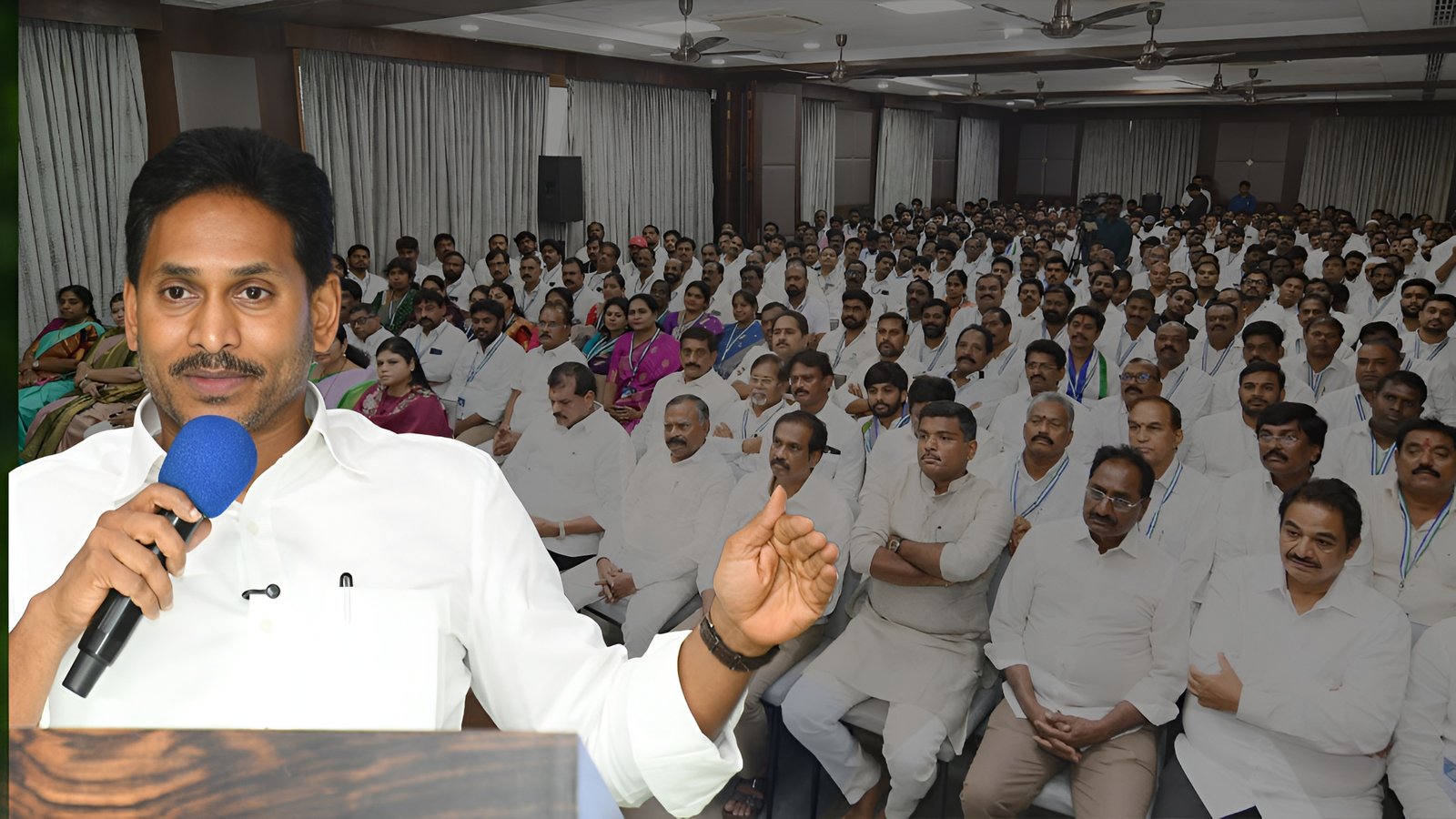
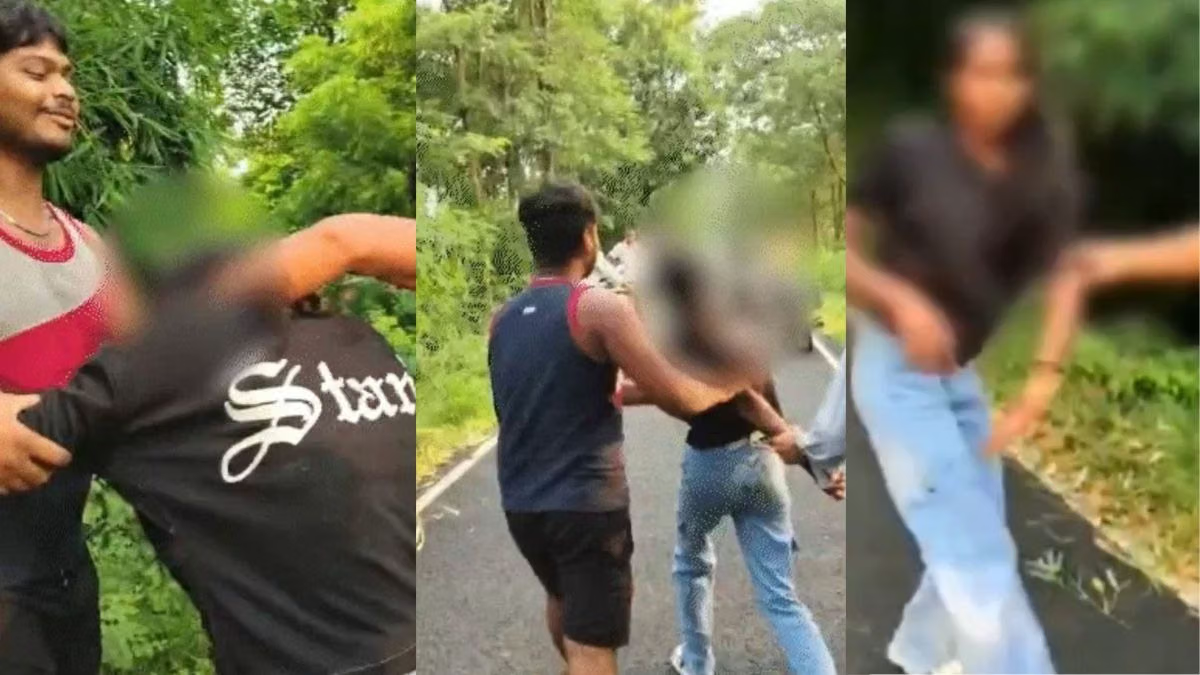
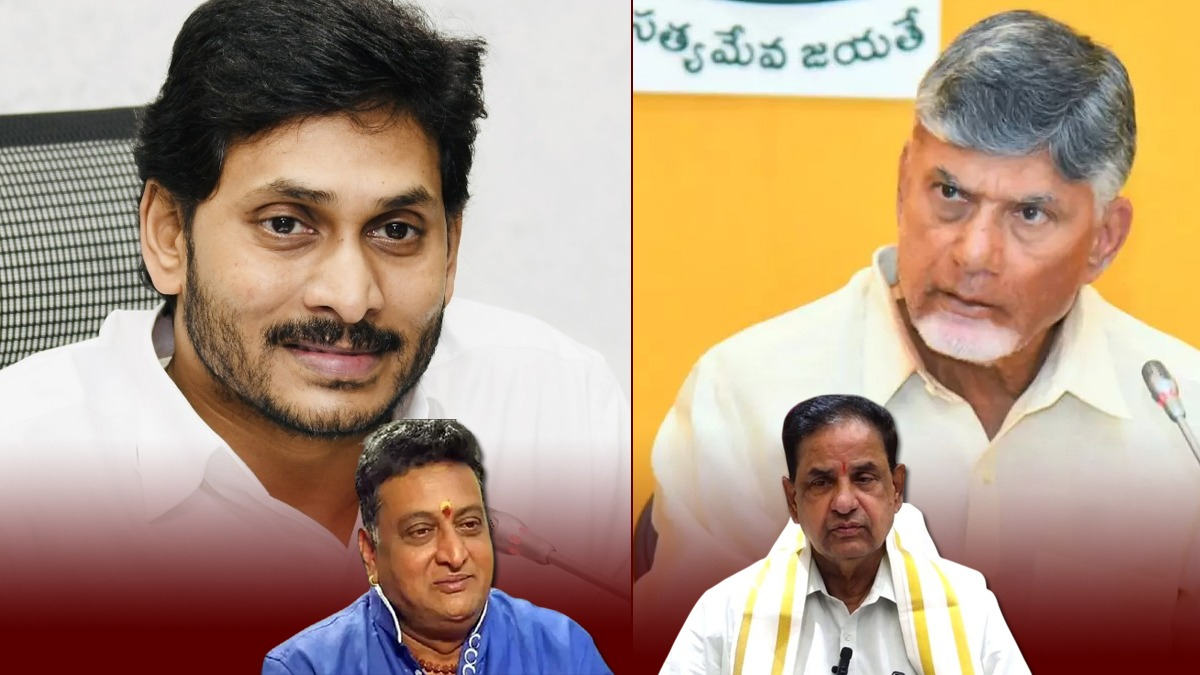
During the previous government, actor Prithvi, who served as Chairman of the Sri Venkateswara Bhakti Channel (SVBC), faced allegations of speaking indecently to a woman. An audio clip surfaced in which he allegedly made objectionable remarks. The then Chief Minister Y.S. Jagan Mohan Reddy acted without delay and removed him from the post. Observers point out that this reflected zero tolerance toward misconduct within a temple-linked institution.
Character 2: Political Rehabilitation
Despite his suspension, Prithvi later joined the Jana Sena Party under Pawan Kalyan. He went on to repeatedly criticise YSRCP and Y.S. Jagan. He was also given roles in films that allegedly mocked former minister Ambati Rambabu and targeted YSRCP through dialogues. Critics argue that this reflected a contrasting political approach—rehabilitation rather than accountability.
Character 3: Allegations Against B.R. Naidu
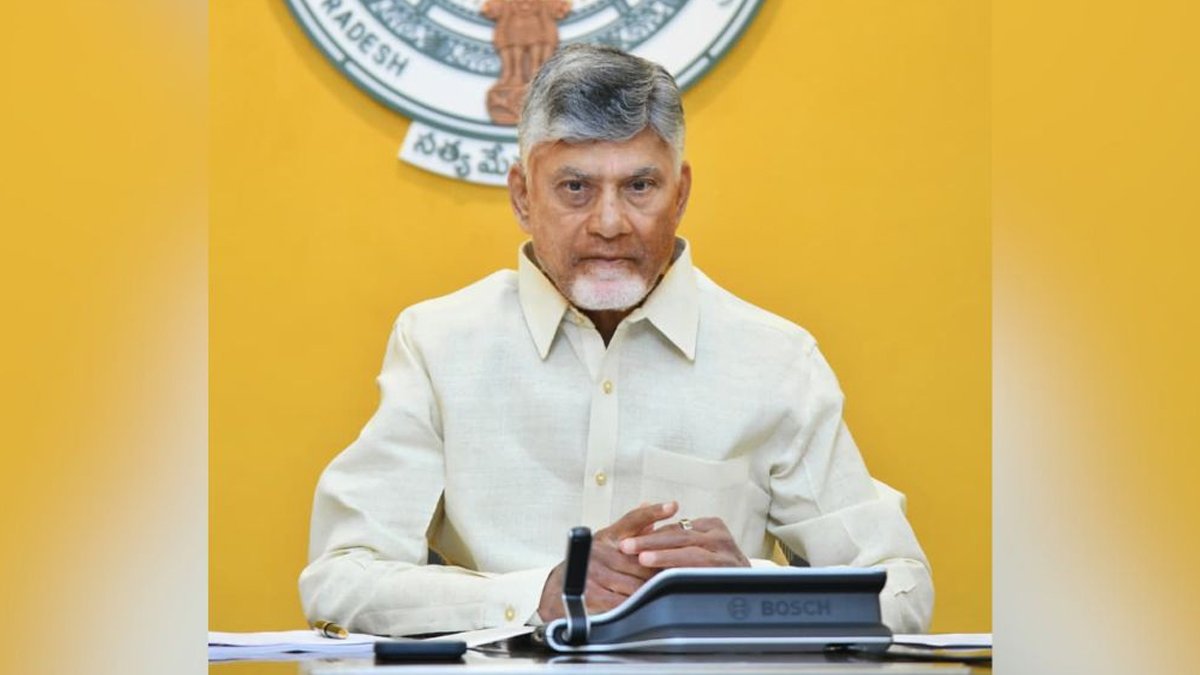
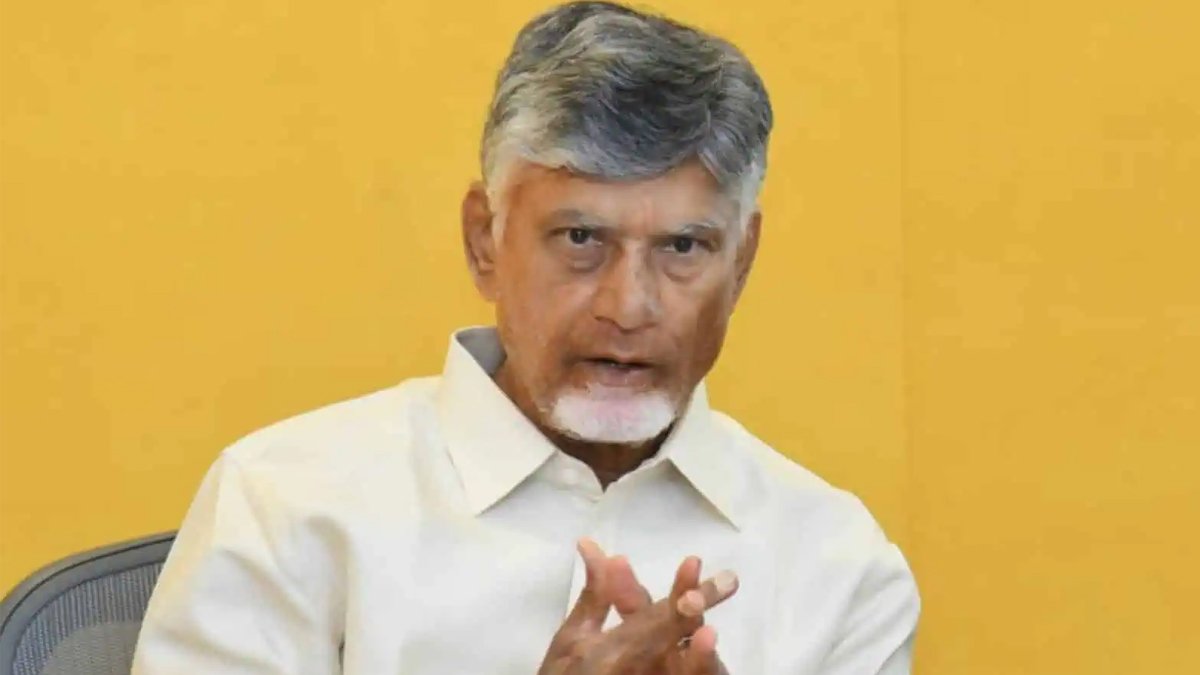
Serious allegations surfaced against B.R. Naidu involved an alleged illicit relationship and harassment of a Brahmin woman. Before the 2024 elections, the woman reportedly wrote letters to Chandrababu Naidu, Pawan Kalyan, and Nara Lokesh seeking justice. Despite this, Naidu was appointed TTD Chairman after the coalition assumed power.
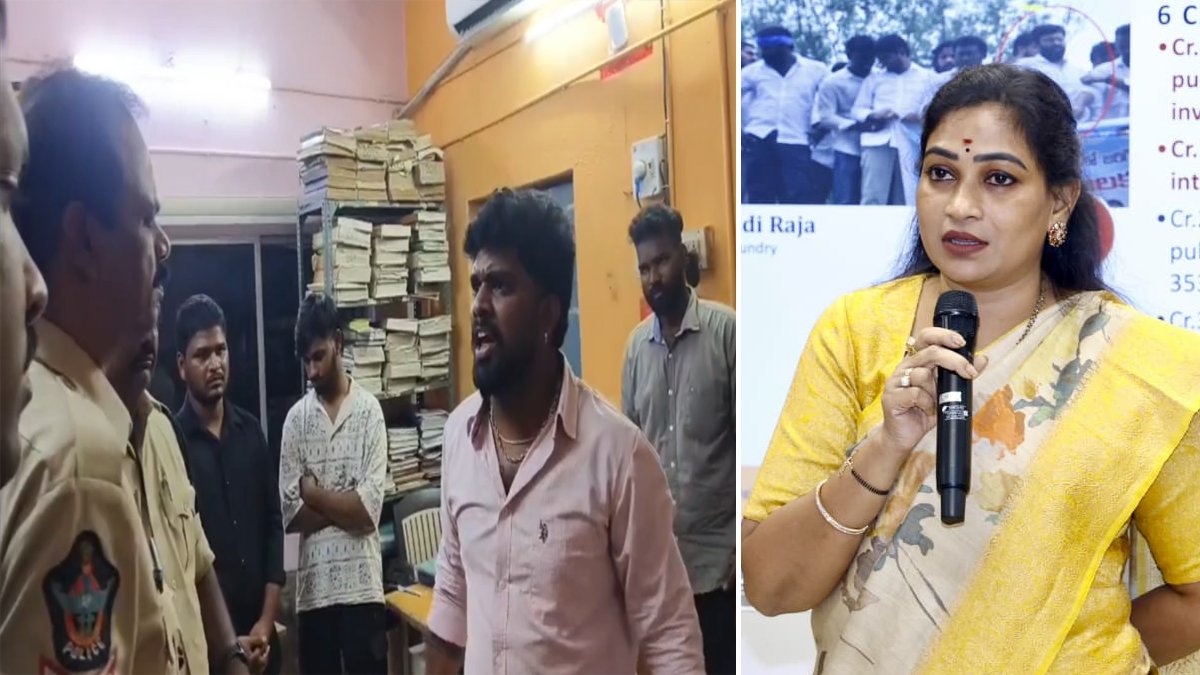
Subsequently, videos and photographs allegedly showing inappropriate conduct came into circulation. Instead of resignation or removal, the coalition government responded with counter-attacks, calling the material fabricated and politically motivated. Critics argue that this stands in stark contrast to earlier precedents.
The Larger Question: Who Protects Dharma?
The comparison has now widened beyond individuals. Supporters of YSRCP argue that when allegations arose earlier, swift action was taken to protect institutional dignity. In contrast, they say the present government is shielding its appointee despite controversy.
Public discourse has intensified around fundamental questions:
Can individuals facing serious moral allegations safeguard the sanctity of Tirumala? Do leaders who politicise temple controversies have the moral authority to speak about Hindu Dharma?
Analysts say three leaders, three responses, and three different standards have shaped public perception.
Faith Beyond Politics
Tirumala represents devotion, humility, and moral responsibility. Devotion is not limited to rituals; it demands integrity in personal conduct. Dharma is not about attacking political opponents—it is about self-discipline and ethical leadership.
In a democracy, the final verdict rests with the people. As debates continue, devotees are watching closely—asking whether those entrusted with the sacred hill shrine truly embody the values they claim to defend.