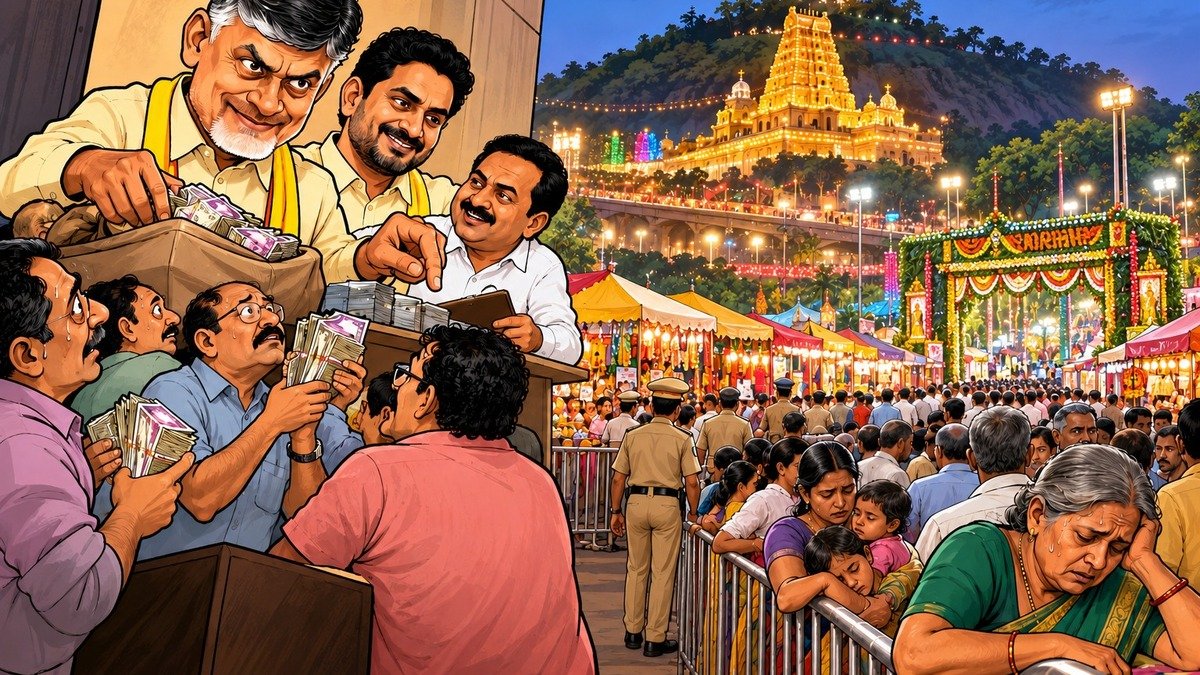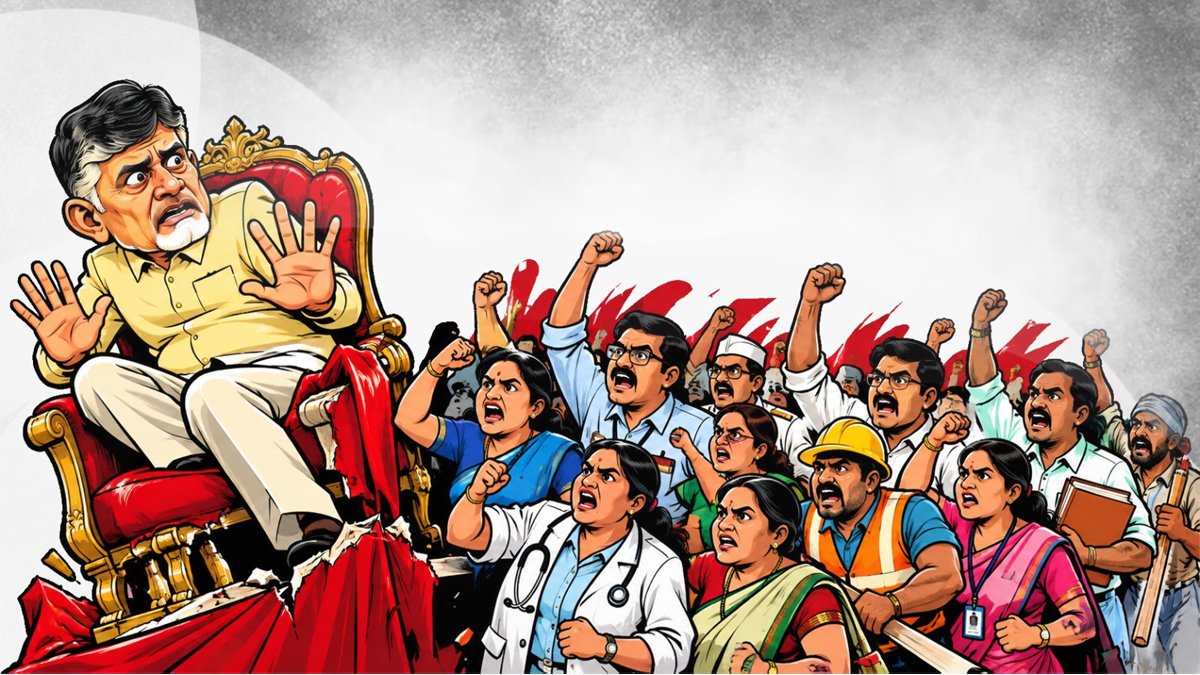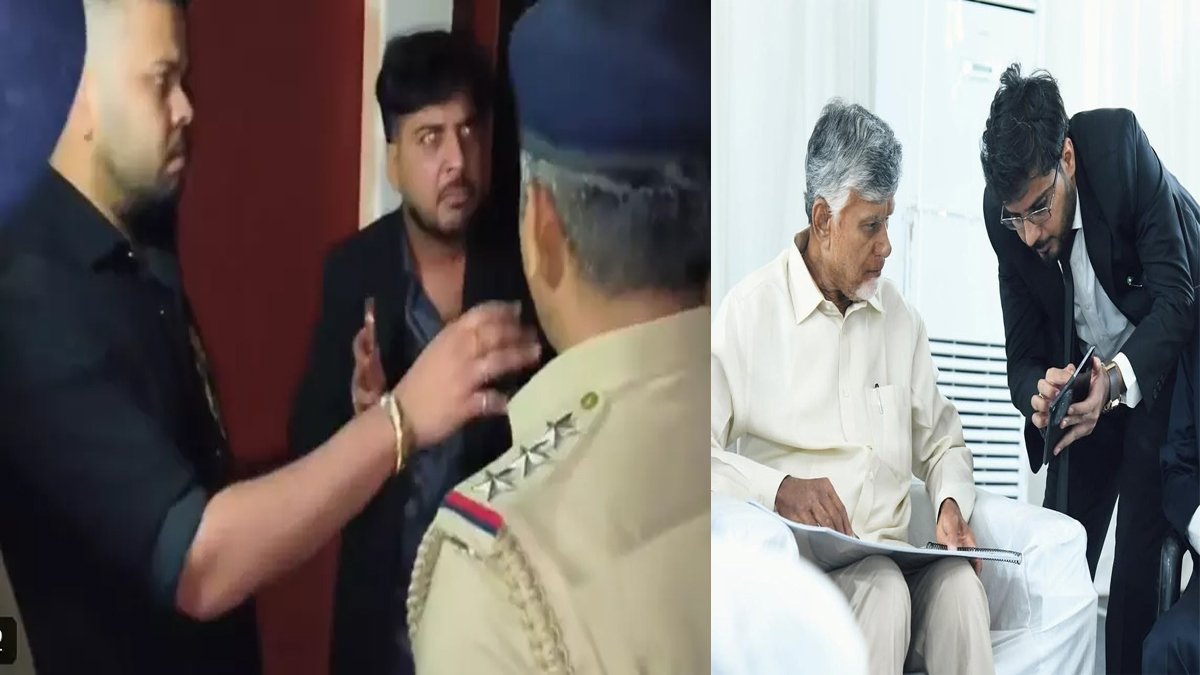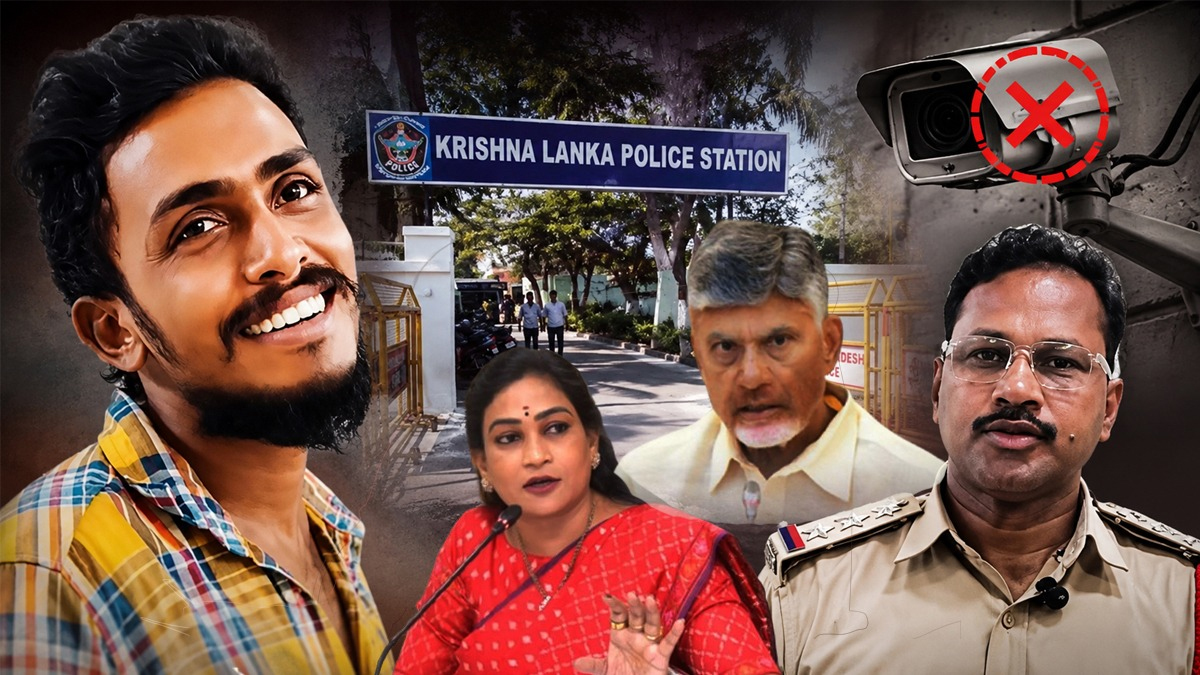
In a democratic country, if the very police system entrusted with protecting citizens’ lives and rights finds itself in the dock, where can victims seek justice? The Sai Krishna case, which has shocked Vijayawada Police Commissionerate limits, has now become one of the most controversial and disturbing cases in Andhra Pradesh. Legal experts, human rights activists, and civil society groups allege that the disappearance of CCTV footage from a police station, evidence that should have been central to the investigation into a young man’s suspicious death, is not a technical failure but a deliberate destruction of evidence.
From arrest in Markapur to Cremation: was everything pre-planned?
From the very beginning, the Sai Krishna case has not appeared to be an ordinary criminal case.
● Under what legal authority did Vijayawada police bring Sai Krishna from Markapur in Prakasam district?
● If it was a lawful arrest, where is the arrest memo?
● Why was his family not informed?
● Why was he not produced before a court within 24 hours, as required by law?
● Where are the medical examination reports?
● Was his detention recorded in the station diary?
Police officers who violated these basic legal requirements are also accused of not handing over his body to the family, conducting a secret cremation, and even failing to return his ashes. These actions have deepened suspicions surrounding the case.
The Destruction of a Vital piece of evidence
Reports that crucial CCTV footage from Krishnalanka Police Station has gone missing strengthen allegations that a cover-up has been underway from the beginning. Why does a police station have CCTV cameras?
To record:
● Who entered the station.
● Who was detained.
● How long they were kept there.
● What transpired during their custody.
The footage constitutes one of the most critical pieces of evidence in the case. Making it disappear amounts to a serious criminal offence.
Several questions arise:
● From which dates is the CCTV footage missing?
● Who had control over the Digital Video Recorder (DVR)?
● What explanation does the Station House Officer (SHO) provide?
● Who is responsible for evidence disappearing while under police custody?
The case must be handed over to the CBI
One of the most troubling aspects of this case is that:
● The police allegedly brought Sai Krishna from Markapur.
● The allegations regarding his death are against police personnel.
● The missing evidence disappeared from a police station under police control.
Yet the investigation is being conducted by the police themselves.Is this not akin to handing the keys to the very people accused of wrongdoing? If the accused police officers remain custodians of the evidence, how can the truth emerge? How can the public believe that police officers will impartially investigate their own colleagues? For this reason, many argue that the truth may never come out if the case remains with the local police and that a CBI investigation is the only credible option.
Questions surrounding Vijayawada Police Commissioner
There are growing suspicions regarding the role of the Vijayawada Task Force in bringing Sai Krishna from Markapur. The Task Force operates directly under the authority of the City Police Commissioner (CP). Can officers travel to another district and take a person into custody without orders or authorization from the Commissioner? Now, if evidence is disappearing from a police station within the same Commissionerate, can an impartial investigation proceed while the Commissioner remains in office?
The officers, records, duty orders, and CCTV systems involved all fall under the Commissioner’s administrative control. Critics argue that expecting the truth to emerge under these circumstances would undermine public confidence. Therefore, they contend that the Vijayawada Police Commissioner should either be transferred or removed from office to ensure a fair investigation.
A System Off the Rails: What Do These Incidents Indicate?
This issue extends beyond the Sai Krishna case.
The Sai Krishna and Kranthi Kumar incidents within Vijayawada Commissionerate limits raise broader concerns about systemic failures in policing.
In the Sai Krishna case, allegations include:
● Illegal custody.
● Task Force excesses.
● Disappearance of a body.
● Destruction of CCTV evidence.
In the Kranthi Kumar case, allegations include:
● Police harassment.
● Caste-based abuse.
● Coercion that allegedly drove him to suicide.
Government Silence: Limited to Photo Opportunities?
A government that responds swiftly with arrests, remands, and media briefings over social media posts is now being accused of remaining silent while:
● A young man has lost his life.
● Critical evidence is disappearing.
Why has the Home Minister not spoken?
Why has the Director General of Police (DGP) not responded?
Why has the Vijayawada Police Commissioner not publicly explained the situation?
While Chief Minister N. Chandrababu Naidu meeting the victim’s family may be viewed as a humanitarian or political gesture, delivering justice is a legal responsibility.
Taking photographs with victims’ families does not address their suffering. If CCTV footage has disappeared, why have immediate criminal cases not been registered against those responsible?
The destruction of evidence primarily benefits the accused. Therefore, it must be determined who stood to gain from the disappearance of this evidence.
This is not merely a departmental lapse—it is a serious criminal offence.
Demands That Must Be Accepted to Establish the Truth
- Register Criminal Cases
Immediate criminal cases must be filed against officials responsible for the disappearance of CCTV footage from Krishnalanka Police Station. - Independent Forensic Examination
The DVR, hard disks, backup servers, and station records must be seized immediately and subjected to forensic examination by an independent agency. - Action Against Responsible Officials
Personnel responsible for CCTV maintenance, the SHO, and other relevant officers must be questioned and appropriate action taken. - Disclosure of Task Force Personnel
The names of the Task Force personnel who brought Sai Krishna from Markapur must be made public. - Release of Legal Records
Duty orders, arrest memos, station diary entries, medical records, and court-production records related to the case should be disclosed. - Transfer or Removal of the Police Commissioner
To ensure an impartial investigation, the Vijayawada Police Commissioner should be removed or transferred immediately. - Arrest of Responsible Officers
The concerned CI, Task Force personnel, and station staff allegedly involved in Sai Krishna’s illegal detention, transfer, and destruction of evidence should be arrested. - CBI Investigation
Both the Sai Krishna and Kranthi Kumar cases should be transferred to the Central Bureau of Investigation (CBI) for an independent probe. - High Court Supervision
Given the lack of public confidence in the local police, the entire investigation should be conducted under the direct supervision of the High Court.
Note: The above translation preserves the allegations, opinions, and demands expressed in the original text. These claims would require verification through official investigations, court proceedings, and evidence before being established as facts.