November 6, 2026 | Andhra Pradesh
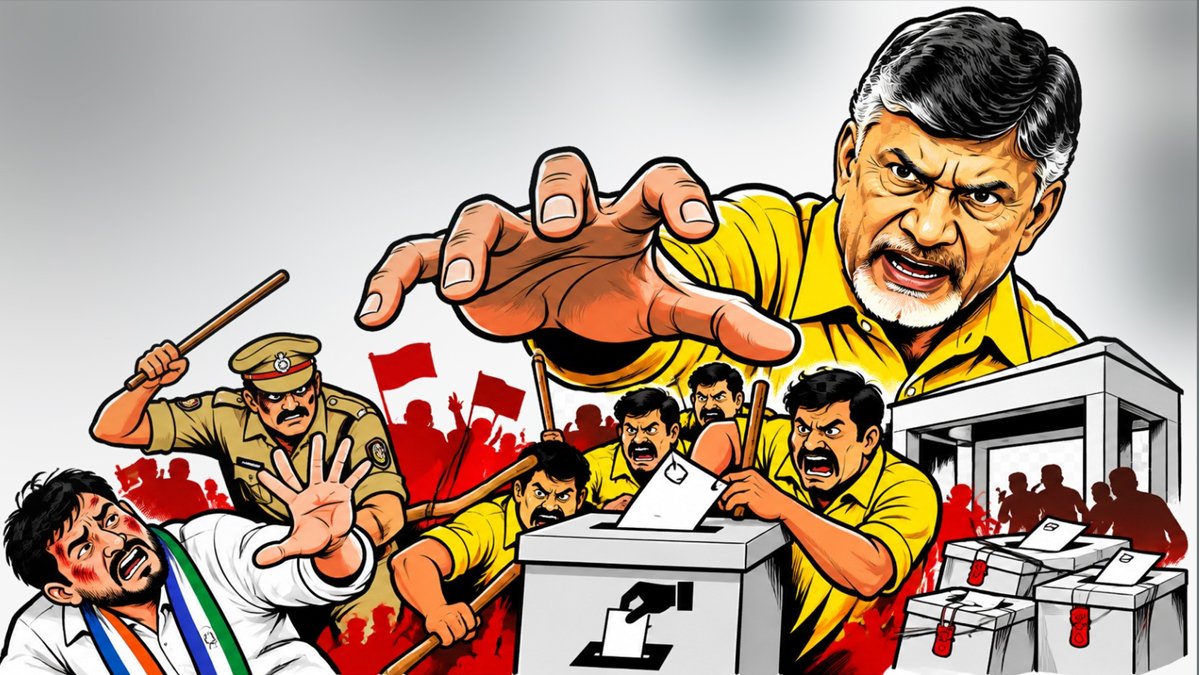
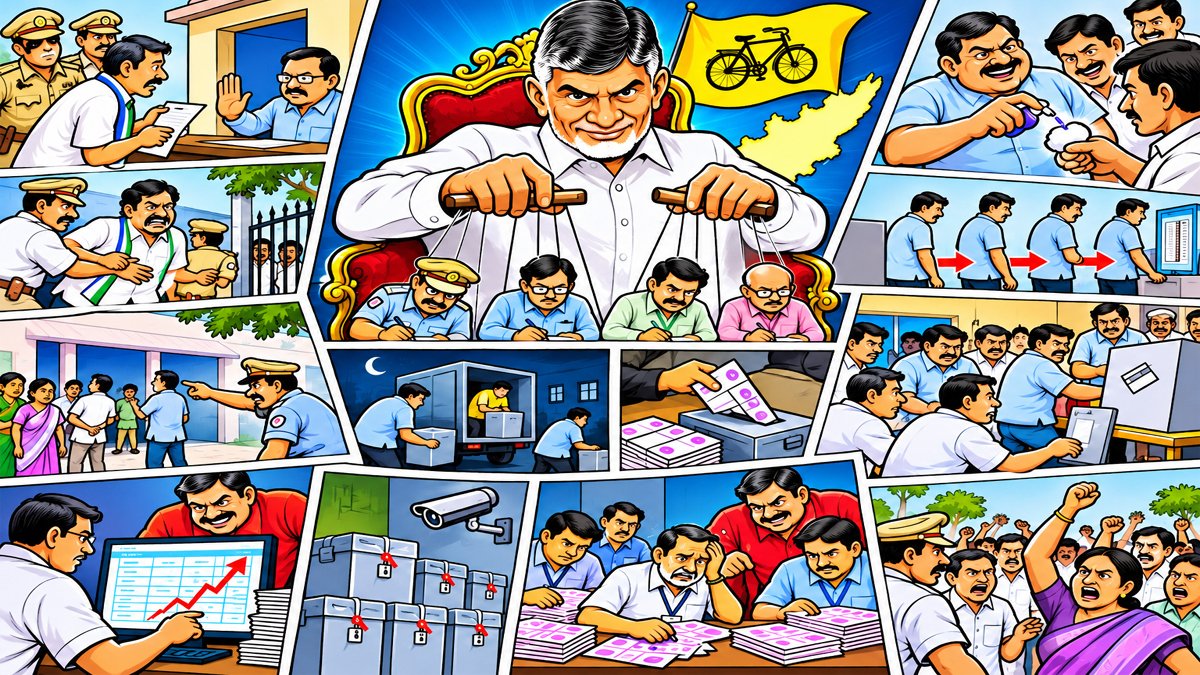
The recent municipal, ZPTC and MPTC elections in Andhra Pradesh have triggered serious questions over electoral integrity, with widespread reports of nomination obstruction, police intimidation, booth capturing, bogus voting, unexplained increases in polling percentages and irregularities during counting.
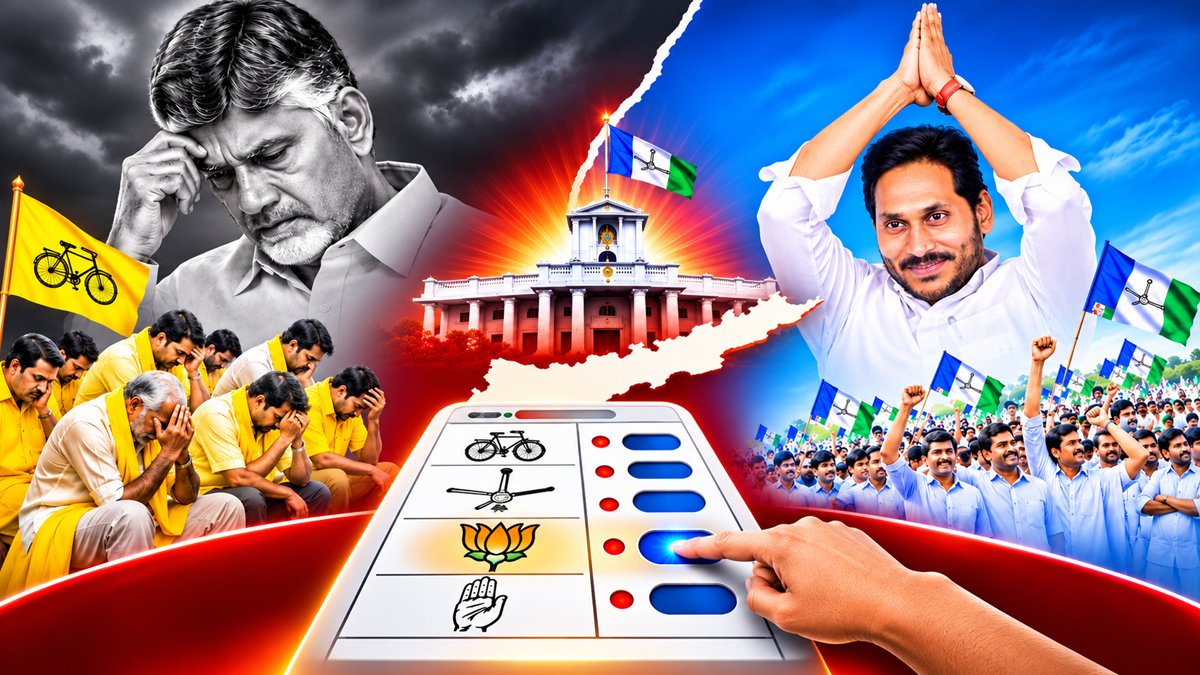
The YSR Congress Party has charged Chief Minister Chandrababu Naidu and the TDP-led coalition with systematically manipulating the electoral process, turning what should have been a democratic exercise into an operation controlled by the ruling establishment.
From Pulivendula to Tekkali, incidents involving polling agents, candidates and voters have raised concerns about the neutrality of election officials, police conduct and the credibility of the results. YSRCP has described the situation as a transformation of Andhra Pradesh into “South Bihar.”
Elections Manipulated Before Polling Began
The controversy began at the nomination stage. YSRCP leaders were summoned to police stations, threatened through bind-over proceedings and prevented from reaching nomination centres.
In 17 municipalities, YSRCP chairperson candidates were unable to file nominations. In another five, nominations were rejected during scrutiny, effectively keeping the principal opposition out of contests in 22 municipalities and municipal corporations.
In Pulivendula, YSRCP candidates could contest only 20 of the municipality’s 40 wards.
The pattern reportedly continued in the parishad elections, where YSRCP says it was prevented from contesting 84 ZPTC and 2,109 MPTC seats.
Disappearing nomination documents, disputed signatures, rejection of applications on minor technical grounds and forced withdrawals have raised fundamental questions about candidates’ right to contest. The State Election Commission has been asked to disclose records relating to rejected nominations, scrutiny proceedings and withdrawals.
Polling Agents Detained, Booths Captured
Polling agents are essential to electoral transparency. They verify voter identities, monitor suspicious voting and raise objections when irregularities occur. Removing them effectively eliminates an important safeguard against electoral manipulation.
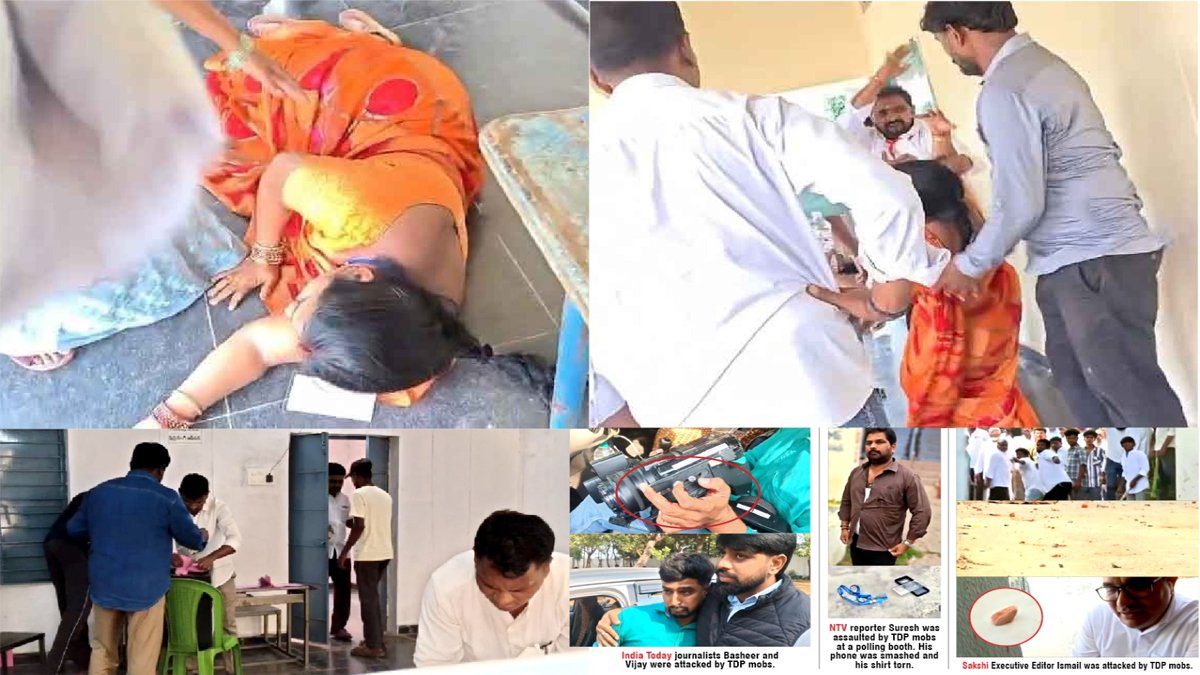
During the parishad elections, YSRCP agents were forcibly removed from polling stations at Sodanapalli in Singanamala constituency. At Kuderu in Uravakonda, agents were detained at a police station, while rigging at Muratla reportedly took place with police protection.
Similar incidents emerged from Veligandla in Kanigiri, Sunkesula in Kurnool and Vemula Zilla Parishad High School in Pulivendula.
At Vatsavai in Jaggayyapeta constituency, agents were reportedly taken to a police station at 7 AM, before they could participate in polling. Agents from Thimmareddypalli and Linganguntla were also detained, while polling agents at Chippagiri in Alur constituency were forcibly taken away in a police jeep.
Such actions raise the question of how polling can remain impartial when opposition representatives are denied access to polling stations.
Bogus Voting and Electoral Cycling
Bogus voting and electoral cycling, where individuals attempt to vote repeatedly, emerged as another major controversy.
During the municipal elections in Tirupati, chemicals were reportedly kept near polling stations to remove indelible ink marks, enabling individuals to cast multiple votes.
At Polling Station No. 3 in Division 30 of Anantapur Municipal Corporation, the involvement of an individual identified as Adiseshu in rigging became controversial after video footage circulated widely. Repolling was ordered, yet the same individual reportedly returned and voted again.
During the parishad elections, attempts to introduce bogus voters were reported at Sai Nagar in Tirupati Rural, while the mobilisation of outsiders at Nallacheruvu and the reported use of college students for illegal voting at Oteru raised further concerns. Open rigging was also reported in Pileru.
Unexplained Increases in Polling Percentages
Discrepancies in the turnout figures released during municipal elections have added another dimension to the controversy.
In Visakhapatnam, the reported number of votes rose from 9,19,367 at 5 PM to 9,45,915 at 9:30 PM. By 10 AM the following morning, the figure had increased to 10,35,154.
This represents an additional 89,239 votes after the 9:30 PM report, with turnout rising from 51.46% to 56.32%.
In Chimakurthy, turnout reportedly increased from 78.28% at 11 PM to 85% by 2 AM. Jammalamadugu recorded approximately 60% turnout by 11 AM.
At Addanki, 11,958 votes were reported between 11 AM and 1 PM, increasing turnout from 19% to 56.7%. Dharmavaram recorded 30,157 votes between 9 AM and 11 AM, taking turnout from 8% to 36.36%.
Chilakaluripet reported an increase of 20,772 votes during the same two-hour period, with turnout rising from 7% to 37%. In Parvathipuram, another 13,042 votes were recorded between 11 AM and 1 PM, raising turnout from 12% to 44%.
These figures require reconciliation with polling-station records, delayed reports and subsequent revisions. Unusual increases alone do not establish rigging, but election authorities must explain the discrepancies through verifiable documentation.
Ballot Security and Counting Irregularities
Concerns continued after polling concluded.
In Visakhapatnam, delays in sealing strong rooms holding ballot boxes triggered protests by YSRCP leaders. The rooms were reportedly sealed only after the protests.
During the parishad elections, incidents involving the removal of a ballot box and the tearing of ballot papers were reported in the Kuderu–Muratla area.
Counting procedures also came under scrutiny in Chittoor Municipal Corporation. Although 92,910 votes were reported as polled, approximately 7,000 additional ballots were said to have appeared during counting. Objections were raised over the removal of counting agents and the subsequent declaration of results.
Reconciliation of ballot-paper accounts, counting sheets and officially recorded turnout is essential to determine what happened.
A Statewide Pattern of Electoral Obstruction
The reported irregularities extended across several districts.
In Anantapur and Sri Sathya Sai, incidents were reported from Sodanapalli, Kuderu, Muratla, Chilamathur, Nasanakota, Nallacheruvu, Gorantla and Settur.
In Kadapa and Pulivendula, voter obstruction, police lathi-charges and attacks were reported from Vemula, Lingala, Kommanuthala, Motnuthalapalli, Achivelli, Erripalli, Peddamudiyam and Kanampalli.
Polling-agent obstruction, public protests and demands for repolling emerged from Prakasam and Markapuram districts. Srikakulam witnessed disputes involving arrests, unauthorised entry into polling stations and rigging complaints across Tekkali and neighbouring areas.
Similar complaints emerged from Chittoor, Annamayya, Tirupati, Palnadu, NTR, Krishna, Nandyal, Kurnool and Nellore districts.
The repeated nature of these incidents has strengthened demands for an independent examination of election administration and police conduct.
Where Were the CCTV Cameras?
The extent of CCTV coverage has become a central question.
During municipal elections, cameras were reportedly installed at only 5,737 of 11,378 polling stations, leaving 5,641 stations without the reported coverage.
For the parishad elections, cameras were reportedly installed at 16,064 of 31,460 polling stations, leaving a gap of 15,396 stations.
Questions remain over how many cameras were functional, whether footage was preserved and whether recordings from disputed polling stations have been examined.
The State Election Commission must address concerns regarding compliance with Supreme Court directions, strong-room security and transparency during counting.
Elections or Selections?
Electoral victory has democratic legitimacy only when candidates are free to contest, voters can exercise their franchise without intimidation and every ballot is properly accounted for.
The controversies surrounding Andhra Pradesh’s local elections go beyond political rivalry. They concern the credibility of institutions entrusted with protecting democratic rights.
The immediate requirement is a transparent examination of nomination records, polling-agent complaints, CCTV footage, ballot-paper accounts and counting documents, followed by action wherever violations are established.
Democracy is not merely about who wins an election. It is about whether the people were genuinely free to decide the winner.