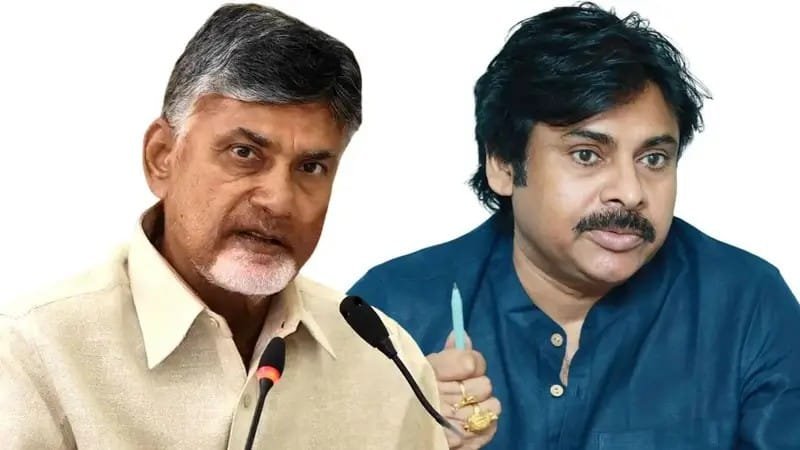
- Jana Sena cadre in uncertainty as suspense grows over seat-sharing for local body elections
- Grassroots leaders press for a larger share of seats
- Party leaders insist they should not settle for a limited quota as in the 2024 Assembly elections
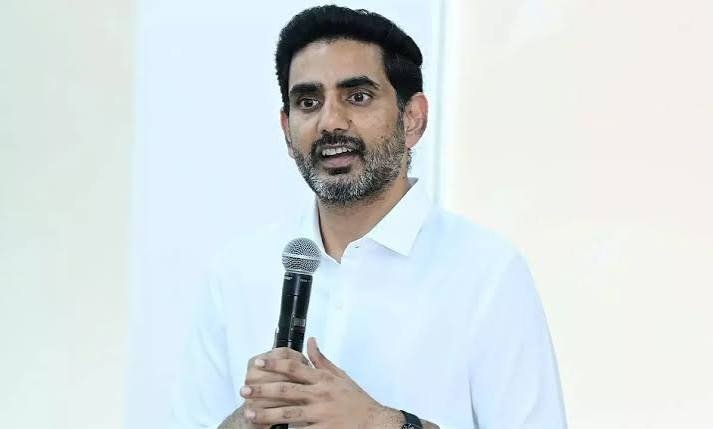
- Reports in the pro-TDP media float an 80:15:5 formula in the name of Nara Lokesh
- Jana Sena cadre angry over attempts to restrict the party to just 15 per cent—or even 10 per cent—of the seats
- TDP sending unilateral signals even before formal seat-sharing talks begin
- Discontent among Jana Sainiks appears to have reached Pawan Kalyan as well
- Pawan repeatedly stays away from Cabinet meetings and key government programmes
- His absence looks like a show of displeasure, but the Jana Sena chief is yet to openly confront the TDP
- Hype over a Cabinet-rank post for Nagababu
- Political observers see an outward show of distance but an internal compromise—a strategy aimed at calming angry Jana Sainiks
- In the end, the seats may go to TDP while Jana Sena cadre are left carrying the flags
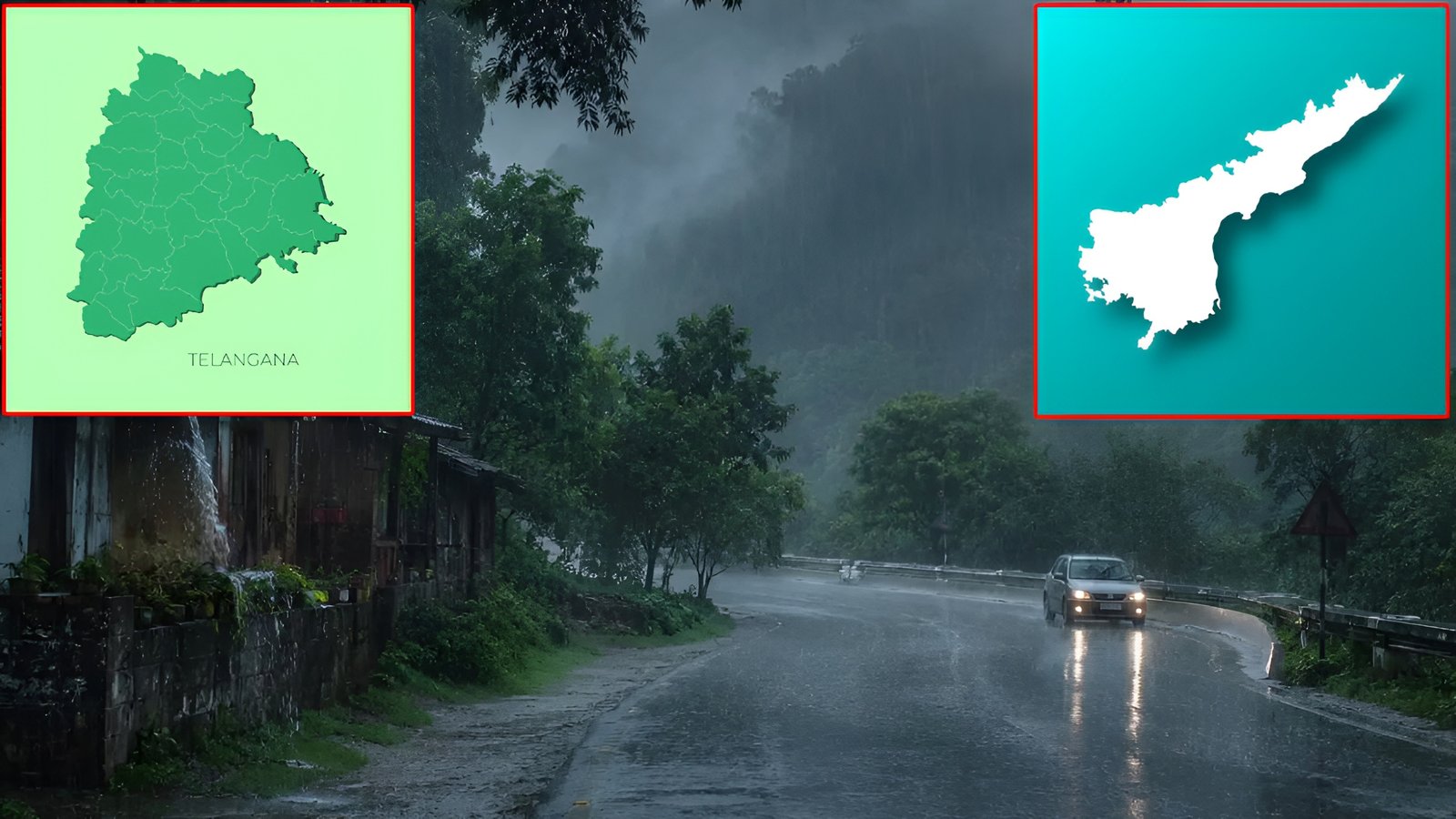
Interesting political developments are unfolding in Andhra Pradesh ahead of the local body elections, with seat-sharing emerging as a new point of friction within the ruling coalition.
Reports attributed to Minister Nara Lokesh have floated different formulas in sections of the pro-TDP media—one suggesting 85 per cent of seats for TDP, 10 per cent for Jana Sena and 5 per cent for BJP, and another putting the ratio at 80:15:5. The reports have triggered anger among Jana Sena workers, who fear their party is once again being asked to sacrifice its political space for the benefit of TDP.
The discontent is now being linked to Pawan Kalyan’s recent conduct. Political observers point to his repeated absence from Cabinet meetings and key government programmes as an attempt to signal dissatisfaction. But the larger question remains: is this genuine resistance to TDP, or merely a display meant to pacify Jana Sena cadre while the party ultimately falls in line?
Must Jana Sena keep Sacrificing for TDP?
Grassroots Jana Sena leaders and workers are reportedly insisting that the party contest as many seats as possible in the forthcoming local body elections.
Their argument is straightforward: in the 2024 Assembly elections, Jana Sena restricted itself to just 21 constituencies in the larger interest of the alliance. They are now making it clear that they are unwilling to repeat such a sacrifice in the local polls.
Reports following the Jana Sena Legislature Party meeting suggested that Pawan Kalyan himself had indicated that the 2024 arrangement would not be repeated.
Yet even before any formal discussions among the three alliance partners, the TDP leadership appears to be lowering Jana Sena’s expectations.
Political circles are discussing a formula under which TDP would retain 80 per cent of the seats, Jana Sena would receive 15 per cent and BJP 5 per cent. Other reports suggest Jana Sena could even be restricted to 10 per cent.
For Jana Sainiks, the very fact that such percentages are being circulated before official negotiations has become a source of anger.
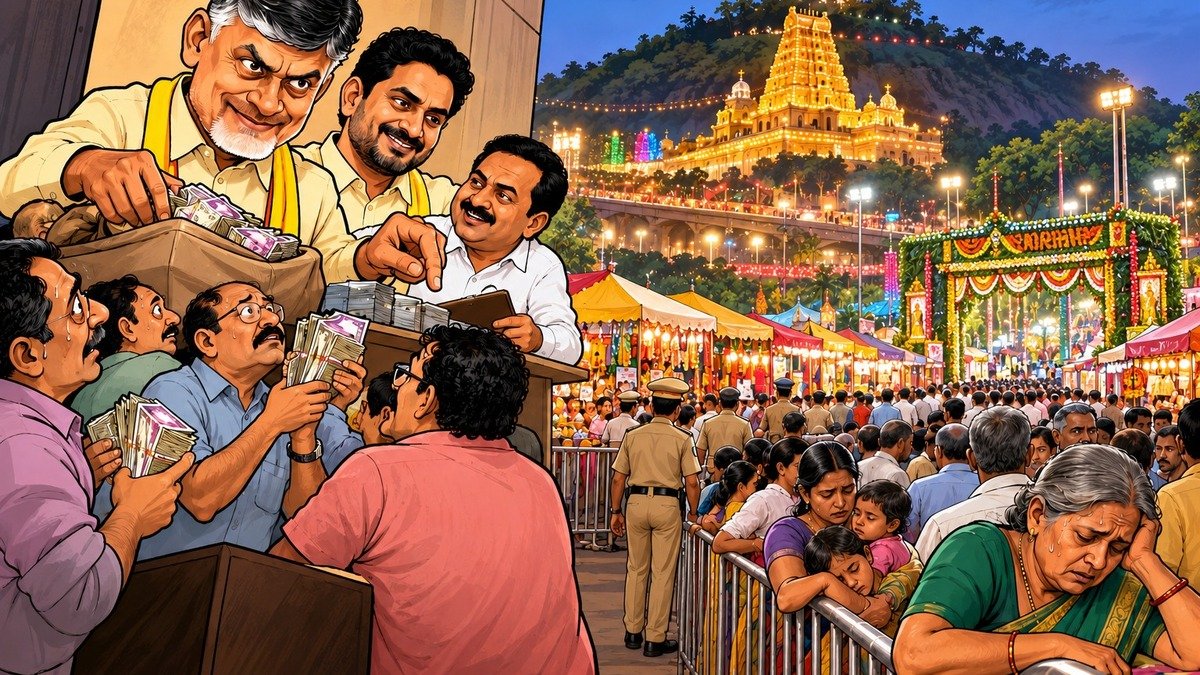
Janasainiks Carry the Flags, TDP Takes the Seats?
Jana Sena cadre point out that they worked from the village level upwards to bring the coalition to power. During the Assembly elections, they campaigned vigorously for TDP candidates, often with the same intensity they would have shown for their own party nominees.
Now that it is time to share power at the local level, they are asking why Jana Sena should be confined to just 10 or 15 per cent of the seats.
A question increasingly heard within Jana Sena circles is:
“Are the seats for TDP, the votes from Jana Sena, the flags carried by Jana Sainiks, and the posts enjoyed only by TDP leaders?”
For any political party, local bodies are the foundation on which future leadership is built. Panchayats, mandals and municipalities provide opportunities to develop grassroots leaders and establish an independent political base.
Jana Sena workers fear that if they are once again made to work mainly for TDP candidates, their own party will remain permanently dependent on its senior coalition partner.
What is the Calculation Behind the Lokesh ‘Leaks’?
Seat-sharing should ordinarily be discussed formally by the leadership of all three alliance partners.
Political observers therefore believe that percentages being circulated in Lokesh’s name even before such talks may not be accidental.
One possible negotiating strategy, they say, is to first float a very low share for Jana Sena, assess the reaction from its cadre, and then marginally increase the allocation so that the final figure can be projected as a concession.
There is also suspicion that the pro-TDP media is preparing the ground to portray any demand by Jana Sena for more seats as a threat to “coalition unity”.
The complaint within Jana Sena circles is that when TDP demands the lion’s share, it is presented as a natural political entitlement, but when Jana Sena seeks a larger quota, it is projected as pressure politics.
There is a growing feeling among Jana Sena workers that Chandrababu Naidu and Lokesh want to retain complete control over the local bodies and continue treating Jana Sena primarily as a partner capable of transferring votes.
Political analysts also point to another calculation: giving Jana Sena a substantial number of local body seats would enable it to create independent centres of political power at the village, mandal and municipal levels. Those leaders could eventually emerge as competitors to TDP itself.
That, according to this line of analysis, may explain the attempt to contain Jana Sena’s expansion.
Cadre anger reaches Pawan
Political circles say the dissatisfaction that began at the grassroots over the Lokesh seat-sharing formula has now reached Pawan Kalyan.
With pressure mounting from within his own party, Pawan may have found it necessary to visibly demonstrate that he too is unhappy.
His absence from several Cabinet meetings and important government programmes is therefore being viewed against this backdrop.
Reports suggest that Pawan has stayed away from at least four Cabinet meetings. Except for programmes such as the Bhogapuram Airport inauguration, his public appearances alongside Chandrababu Naidu have also become less frequent.
There were earlier reports that Pawan left one Cabinet meeting midway amid dissatisfaction that alliance partners were not being adequately informed about important government decisions.
At the time too, questions arose over whether the early departure was due to health reasons or political displeasure.
Real resistance or a Performance for the Cadre?
Political observers, however, caution against interpreting Pawan’s absences as an outright rebellion against TDP.
If Pawan were genuinely determined to challenge the seat-sharing formula being circulated in Lokesh’s name, they argue, he could raise the matter directly with Chandrababu Naidu.
He could demand a formal meeting of all three alliance parties, publicly state the number or percentage of seats Jana Sena expects, and begin district- and mandal-level negotiations based on the party’s actual strength.
None of that has happened so far.
Apart from staying away from Cabinet meetings and certain programmes, there has been no visible political campaign confronting the TDP leadership over local body representation.
This has led to questions about whether Pawan’s current distance is less a serious confrontation and more a political performance designed to reassure angry Jana Sainiks that their leader is not simply surrendering to TDP.
The possible pattern is simple: stay away from government programmes for a few days, create an impression among the cadre that Jana Sena is standing up to TDP, allow the anger to cool, and then return to business as usual within the coalition.
If that is the strategy, Jana Sena workers are asking what political benefit their party actually gains from outward distance combined with internal accommodation.
A ‘Green’ Formula Instead of a Ministry?
Another issue adding to the dissatisfaction is the position given to Nagababu.
The TDP leadership had earlier announced that Nagababu would be accommodated in the Cabinet. Eventually, however, he was appointed Chairman of the AP-Green Executive Committee, with Cabinet rank, through G.O. Rt. No. 93 dated August 17.
Political observers are pointing to the shift from the expectation of a ministerial berth to the chairmanship of a committee as another example of TDP’s dominance over Jana Sena.
Critics say an otherwise nominated committee position has been dressed up with Cabinet rank and projected through the pro-TDP media as a major political gain for Jana Sena.
This raises further questions.
Was Jana Sena entitled to another ministerial berth with an important department, but instead given a newly elevated committee position?
Was the appointment intended to placate the party ahead of negotiations in which Jana Sena may be asked to accept a smaller share of local body seats?
Who Benefits From Pawan’s Silence?
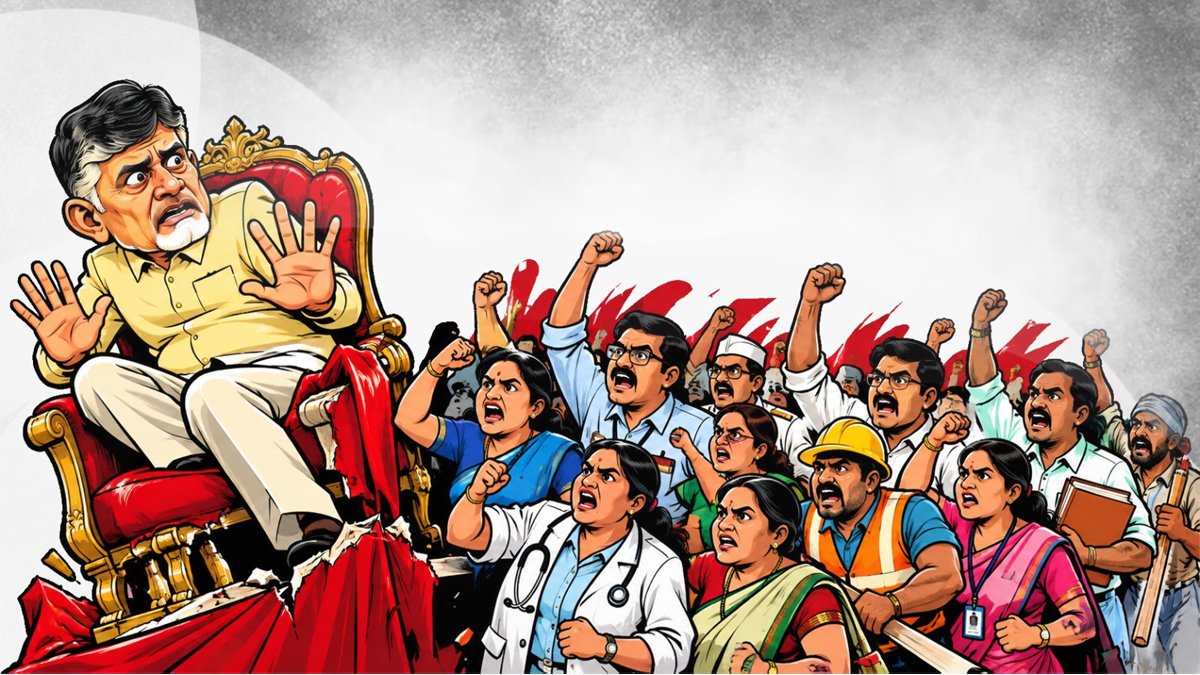
Political analysts say that, ultimately, Pawan Kalyan’s silence benefits TDP more than Jana Sena.
Whenever anger rises among Jana Sainiks, Pawan appears to distance himself from Chandrababu for a few days. Once the discontent subsides, the cadre are once again expected to work for coalition candidates in the name of alliance unity.
This is increasingly being seen as a recurring political cycle.
If Pawan truly wants to demonstrate Jana Sena’s strength, analysts argue, he must openly negotiate with TDP for seats, secure the party’s right to contest in areas where it has organisational strength and ensure that Jana Sena builds its own grassroots leadership.
But if silence is presented as protest, absence as rebellion and nominated positions as major victories, how long will Jana Sena workers continue to accept it?
That is why the view is gaining ground that even this apparent distance is part of a strategy.
Not a strategy to confront TDP.
A strategy to cool the anger within Jana Sena.
And if nothing changes, the final political equation could be stark:
The seats for TDP.
The votes from Jana Sena.
The power with Chandrababu.
And the sacrifices—and the flags—were left to the cadre who placed their faith in Pawan Kalyan.