Introduction
Andhra Pradesh is witnessing a disturbing rise in violence, humiliation, and institutional neglect against Dalits since the coalition government assumed office. From murderous attacks and social boycotts to police brutality and land encroachments, Dalit lives across districts are being pushed into fear and insecurity. The brutal killing of Dalit activist Manda Salman in Palnadu’s Pinnelli village has now become the most chilling symbol of what many describe as a systematic collapse of protection for the marginalised.
⸻
Murder that shook Palnadu
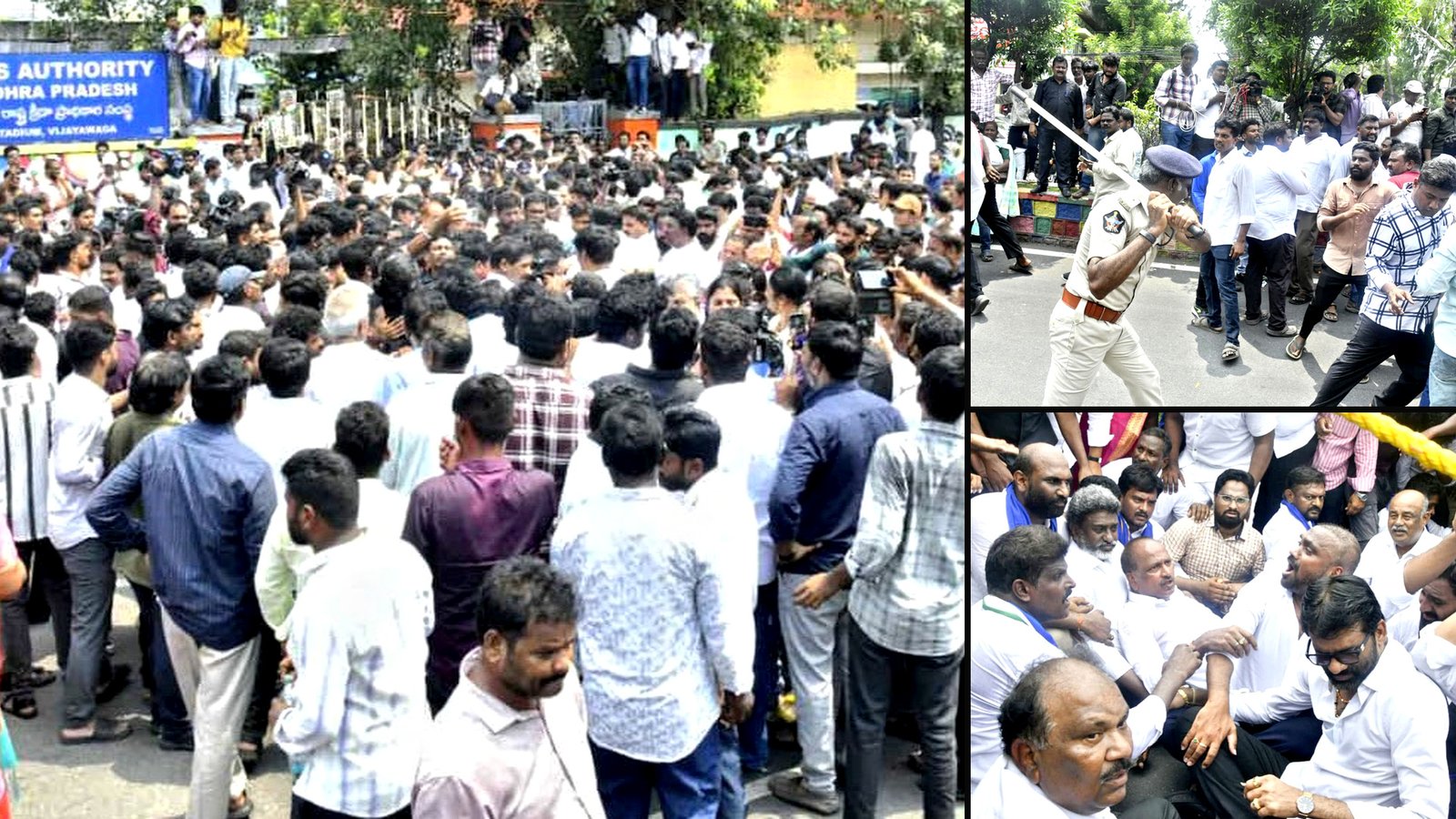
Manda Salman, a Dalit activist, was allegedly attacked with iron rods by TDP-linked elements in Pinnelli village and later died after battling for life. Instead of swift justice, the family alleges intimidation, obstruction of funeral rites, and cases being turned against victims. The killing has triggered outrage, with leaders calling it not an isolated crime but part of a wider pattern of targeting Dalits.
⸻
From villages to police stations: a climate of terror
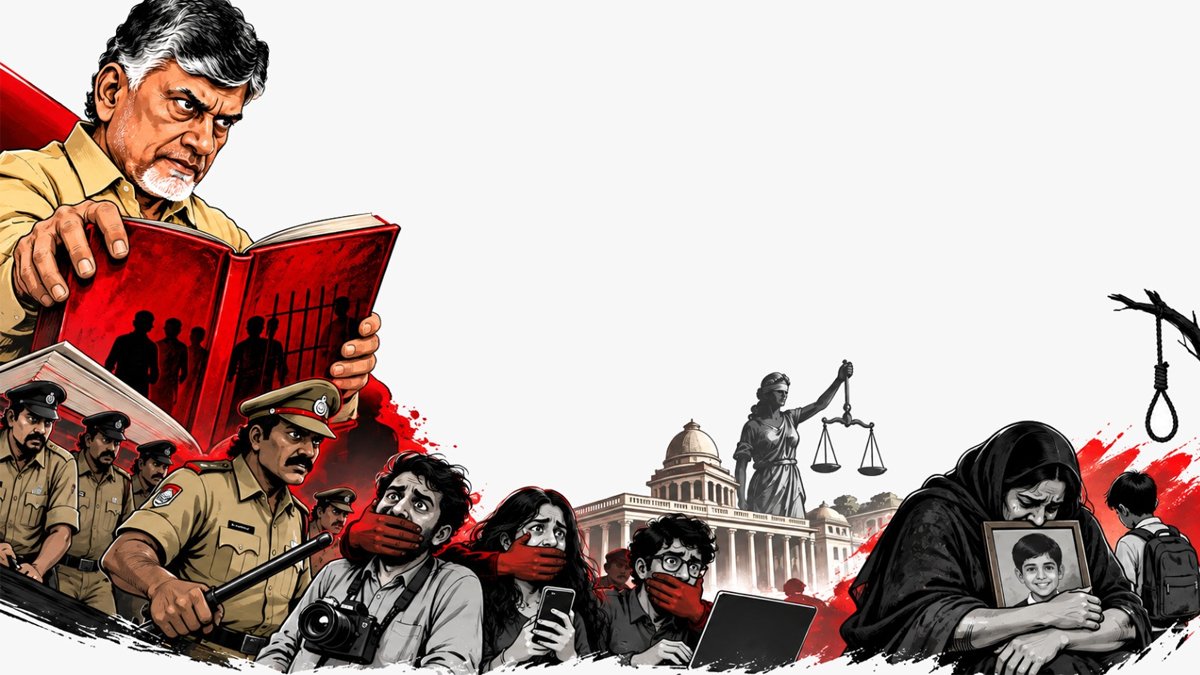
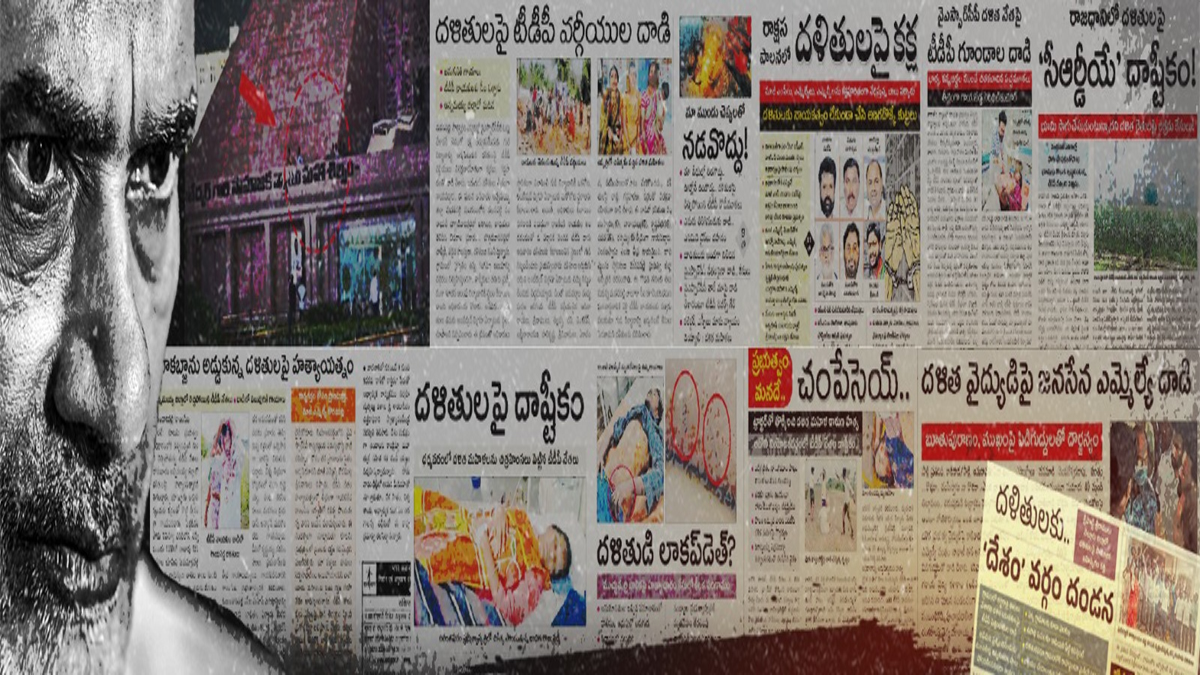
Over the past 19 months, Andhra Pradesh has seen repeated reports of Dalits being assaulted, driven out of villages, abused in police custody, and booked in false cases. Incidents include Dalit youth being beaten with lathis and boots, forced to walk on gravel, abused by caste name, and even subjected to custodial torture. Dalit women have reported sexual violence, public humiliation, and harassment driving them to suicide attempts.
⸻
Social boycotts and attacks on dignity
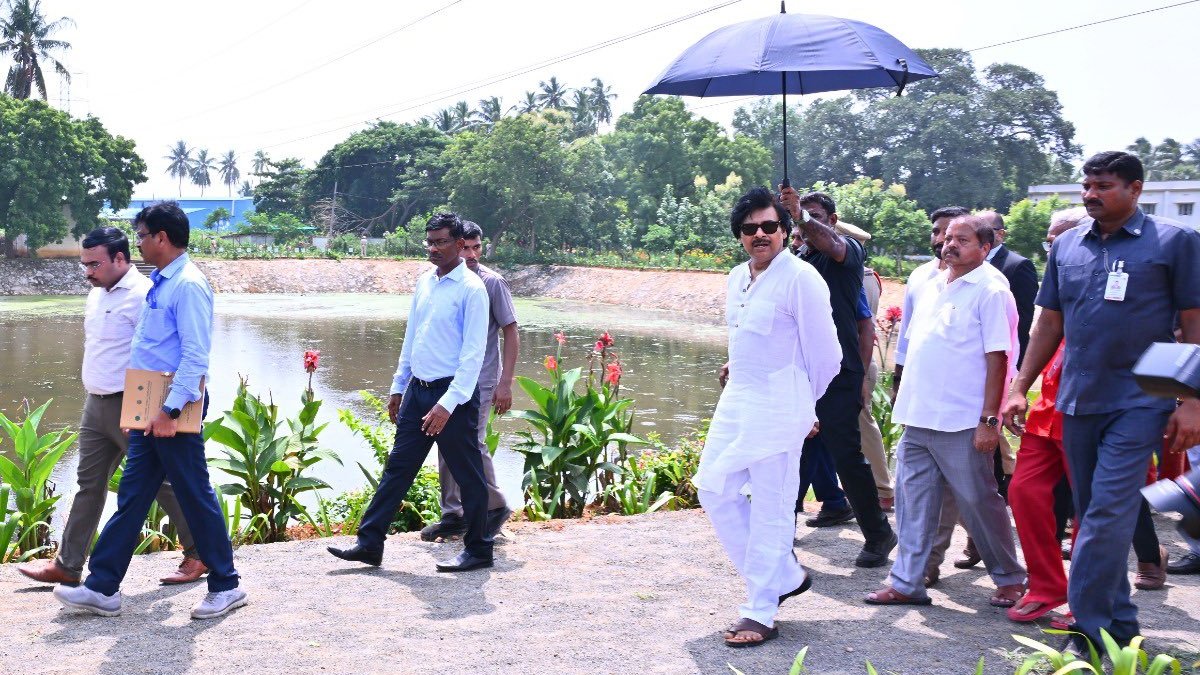
Allegations have emerged of social boycotts in the Deputy Chief Minister’s constituency, denial of basic services, and attempts to build roads over Dalit cremation grounds in another constituency. Ambedkar statues have been vandalised, Dalit sarpanches humiliated, and elected representatives forced to stand at the feet of ruling party leaders. Activists say these acts are aimed not only at individuals, but at breaking Dalit morale itself.
⸻
Targeting officers and leaders
The crisis extends into institutions. Dalit IPS and police officers are alleged to be facing suspensions, transfers, and fabricated cases. Several Dalit political leaders are also reported to be under sustained legal and administrative pressure, reinforcing claims of a broader campaign of intimidation.
⸻
A long list of blood and bruises
From April 2024 to January 2026, dozens of incidents have been documented across districts: murders, attempted killings, custodial violence, sexual assaults, land grabbing, destruction of homes, forced displacement of families, and repeated attacks on Ambedkar memorials. Activists warn that entire villages are emptying as Dalit families flee for survival.
⸻
The contrast being drawn
Supporters of former Chief Minister Y.S. Jagan Mohan Reddy point to his tenure as a period when Dalit welfare, legal protection, education access, and institutional dignity were prioritised. They cite large-scale welfare delivery, Ambedkar infrastructure, educational support, and faster handling of atrocity cases as evidence of a different approach.
⸻
An unanswered question
Today, the question echoing from Pinnelli to Pithapuram is stark: how did a state that once projected social justice slip into an atmosphere where Dalits fear both street violence and the very institutions meant to protect them?
As the list of incidents grows, so does the demand for accountability