While the nation grapples with the intensity of a military operation along its borders, Andhra Pradesh finds itself mired in a different kind of battle, one fueled by political vengeance. Chief Minister Chandrababu Naidu, prioritizing personal grudges over governance, is orchestrating a campaign to target his political rivals, particularly leaders of the YSR Congress Party (YSRCP) and its chief, former Chief Minister YS Jagan Mohan Reddy. As the country unites in the face of external threats, the state government’s focus on settling scores has sparked widespread outrage, with citizens and observers decrying what they call a “reign of vendetta.”
Naidu caught in a Political vendetta amid national crisis
On May 7, 2025, India’s armed forces launched *Operation Sindoor*, a decisive strike targeting terrorist bases in Pakistan. The operation, which neutralized approximately 100 militants, has kept the nation on edge as follow-up missions continue. The country’s attention is fixed on the bravery of its soldiers and the unfolding situation at the border. Yet, in Andhra Pradesh, the state’s leadership appears detached from this national crisis. Instead, Chief Minister Naidu and his coalition government are accused of exploiting the distraction to pursue a relentless campaign against political opponents.
Critics argue that Naidu’s administration is consumed by a desire to tarnish the image of YS Jagan Mohan Reddy and his associates. From filing fabricated cases to targeting YSRCP leaders and their staff, the government’s actions have raised questions about its priorities. “While our soldiers fight for the nation, Chandrababu is fighting his personal battles,” reflecting the growing discontent among the public.
Fabricated Liquor Scam
At the heart of the controversy is an alleged liquor scam, which critics claim is a concocted narrative designed to implicate YS Jagan’s inner circle. The Naidu government has formed a Special Investigation Team (SIT) to probe what it calls irregularities in liquor trade during the YSRCP’s tenure. However, no concrete evidence has surfaced to substantiate these claims, leading many to label the investigation a witch hunt.
Among those targeted are senior IAS officer Dhanunjaya Reddy, who served as YS Jagan’s secretary, YS Jagan’s Officer on Special Duty (OSD) Krishna Mohan Reddy, his son Rohith Reddy, and Govindappa Balaji, a director at Bharati Cements. The SIT has issued notices to these individuals, demanding their appearance for questioning in Vijayawada. On Friday, SIT officials conducted searches at 10 locations in Hyderabad and Bengaluru, including the residences and offices of the accused, creating an atmosphere of intimidation.
“They stormed into our homes without proper documentation,” said a family member of one of the targeted individuals. “It’s clear this is about harassment, not justice.” The searches, conducted without valid warrants in some cases, have drawn sharp criticism from legal experts and activists, who accuse the government of flouting due process.
Targeting the Opposition
The alleged liquor scam is just one facet of what YSRCP leaders describe as a broader strategy to silence dissent. Sajjala Ramakrishna Reddy, YSRCP’s state coordinator and Political Affairs Committee convenor, has been named in a revived case related to an old attack on the Telugu Desam Party (TDP) office. Despite no evidence linking him to the incident, Sajjala has been subjected to notices and interrogations, which his supporters call a blatant attempt to humiliate him.
Similarly, the government has been fabricating charges to target other YSRCP leaders and supporters. Social media activists who criticize Naidu’s policies or question unfulfilled election promises, such as the “Super Six” and “Super Seven” schemes, have faced midnight arrests and harassment. In one shocking incident, Kalpana Valaparla, a YSRCP MPTC member from Kantheru village in Guntur district, was arrested on May 9. Police barged into her home at midnight, refusing to give her time to change out of her nightclothes before taking her into custody.
“They treated me like a criminal,” Kalpana recounted tearfully. Her family described the ordeal as akin to being targeted by “terrorists.” Other activists, including Karri Bhaskar, Mahalakshmi, and her son, have also been detained, with police reportedly ignoring court orders and basic legal protocols.
Media under siege
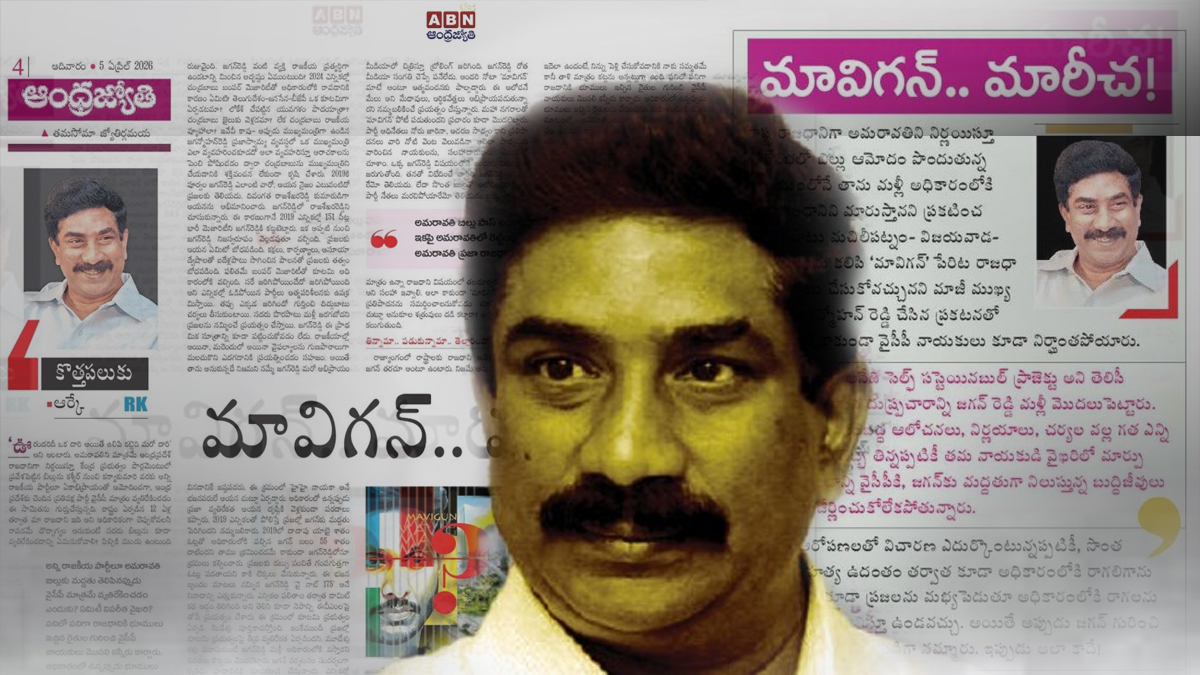
The crackdown extends beyond politicians and activists to the press. Sakshi, a prominent newspaper critical of the Naidu government, has faced relentless pressure for exposing scams and mismanagement. Its editor, R. Dhanunjaya Reddy, was subjected to an unauthorized search of his residence, with police failing to produce a valid warrant. When Reddy demanded to see the warrant, officers responded with hostility, leaving his family shaken.
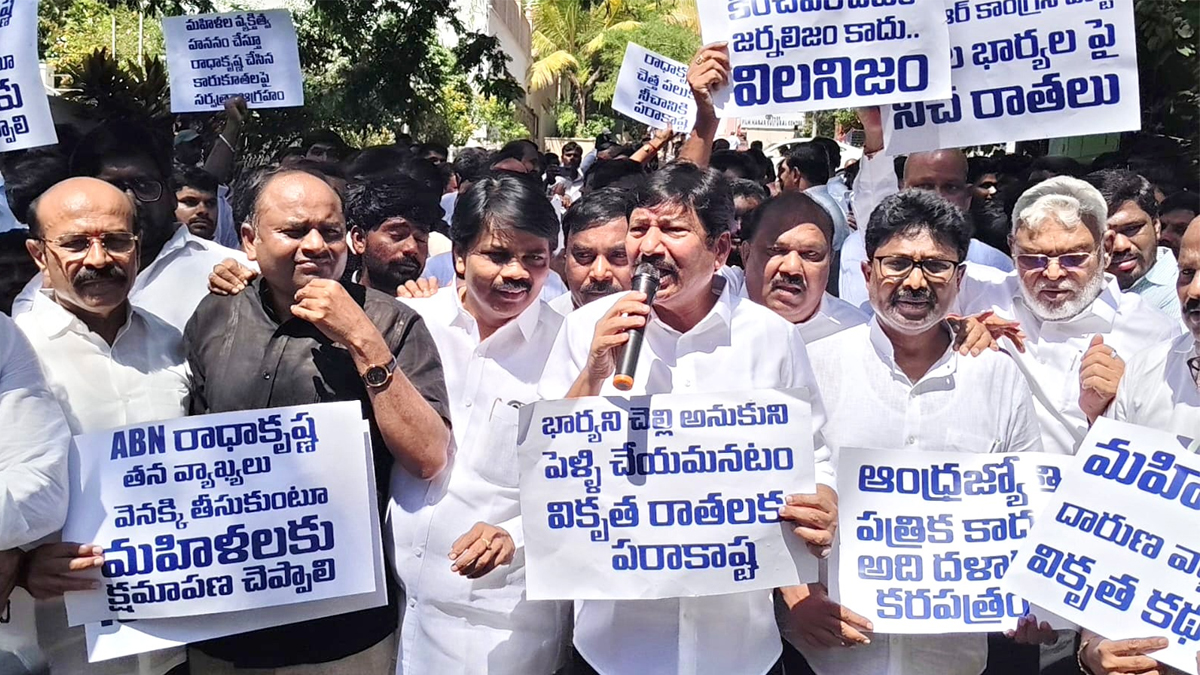
Journalist unions across the state have condemned the government’s actions, staging protests against what they call an assault on press freedom. “This is an attack on democracy itself,” said a spokesperson for a journalists’ association. “If the government can target editors and reporters without evidence, no one is safe.”
A Government Distracted by Scandals
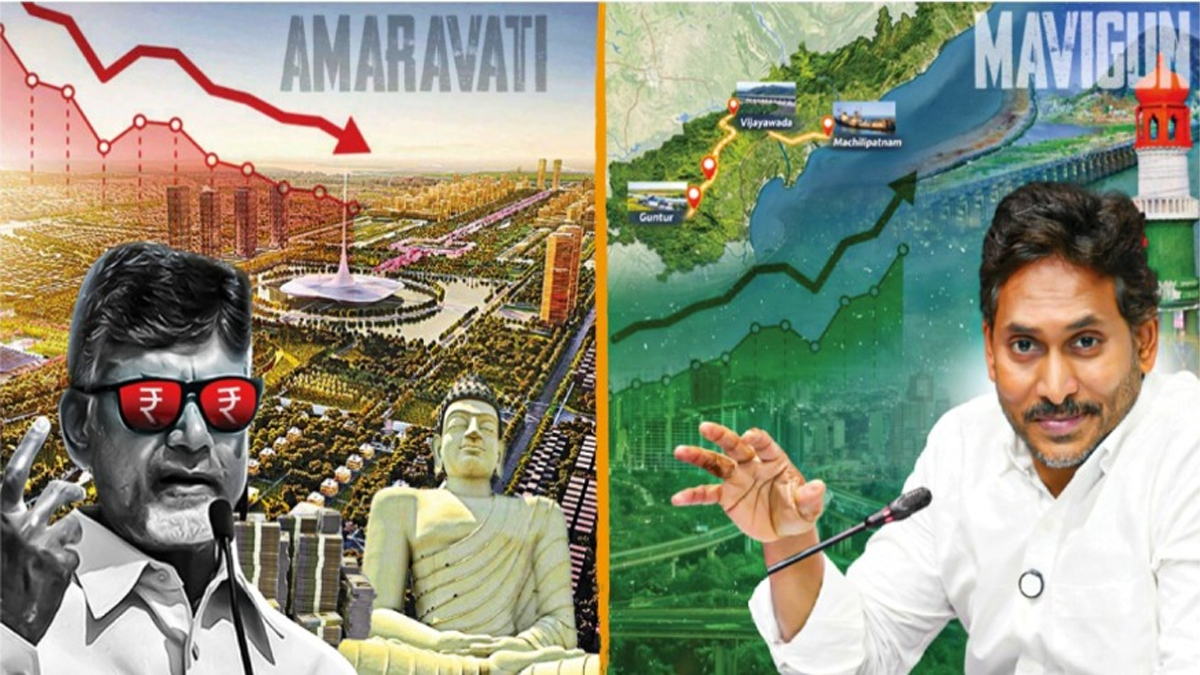
While Naidu’s administration focuses on targeting opponents, it faces mounting criticism for its own governance failures. The YSRCP stated that the government involved in multiple scams, including irregularities in sand mining, liquor trade, and land allocations. Critics allege that state resources are being misused to benefit Naidu’s allies, with public lands reportedly handed out to loyalists and funds siphoned off through questionable “mobilization advances” for projects like the Amaravati capital development.
The government’s failure to deliver on its 143 election promises, including the much-touted “Super Six” welfare schemes, has further eroded public trust. Instead of addressing these concerns, the administration is accused of resorting to “diversion politics” by fabricating cases against opposition leaders to shift focus from its shortcomings.
Social Media campaigns and fake news
The TDP’s social media machinery, led by Naidu’s son Nara Lokesh, has been fueling the vendetta with a barrage of misinformation. Posts on official TDP handles and affiliated pages have linked YS Jagan to the alleged liquor scam, even placing his image on liquor bottles in a bid to tarnish his reputation. Netizens have slammed these tactics as “character assassination,” questioning the government’s reliance on unverified claims and sensationalist propaganda.
“While the nation stands united, these people are busy spreading lies about Jagan,” said a social media user. The TDP’s IT wing, dubbed a “fake news factory” by critics, has been accused of orchestrating campaigns to distract from the government’s failures.
AP State on edge
As Andhra Pradesh descends into a spiral of political retribution, public anger is reaching a boiling point. The YSRCP has warned that Naidu’s tactics could backfire, predicting that citizens will hold the government accountable in the “court of public opinion.” With the nation focused on a critical moment in its history, the people of Andhra Pradesh are left grappling with a leadership that seems more invested in revenge than governance.
“If this continues, the people will teach them a lesson,” said a YSRCP spokesperson. For now, the state remains caught in a troubling paradox: a government betraying its mandate while the nation fights for its security. As the border conflict rages on, Andhra Pradesh’s battle for justice and accountability is just beginning.