As the nation observed the 134th birth anniversary of Dr. B.R. Ambedkar, political developments in Andhra Pradesh brought renewed focus to the treatment of Dalit communities under successive governments.
During the 2019–2024 term, the YSR Congress Party (YSRCP), led by Y.S. Jagan Mohan Reddy, implemented several targeted initiatives aimed at uplifting Scheduled Castes. These included welfare spending exceeding Rs. 69,598 crore for SC beneficiaries through both DBT and non-DBT schemes. Landmark programs such as Jagananna Vidya Deevena and Vasati Deevena reached over 5.4 lakh SC mothers, with disbursements amounting to Rs. 2,915 crore, while the Ammavodi scheme provided Rs. 5,335.7 crore to 8.84 lakh SC mothers, helping their children pursue education.
The YSRCP government also introduced reforms in policing and justice delivery. A video conferencing system launched in 2020 helped speed up atrocity investigations, reducing average probe times from 206 days (during the previous TDP regime) to 86 days. Charge sheet filing rates rose from 44% to 73%. Compensation for victims of caste atrocities increased substantially—from Rs. 54.6 crore under the TDP (2014–2019) to Rs. 159.3 crore over four years of YSRCP governance.
In education and skill development, the YSRCP expanded Ambedkar Study Circles, established coaching centers in cities like Visakhapatnam and Vijayawada, and invested over Rs. 15 crore in SC/ST job training. The Jagananna Civil Services Incentive Scheme awarded Rs. 1 lakh to candidates who cleared UPSC mains and Rs. 50,000 to those who reached the interview stage.
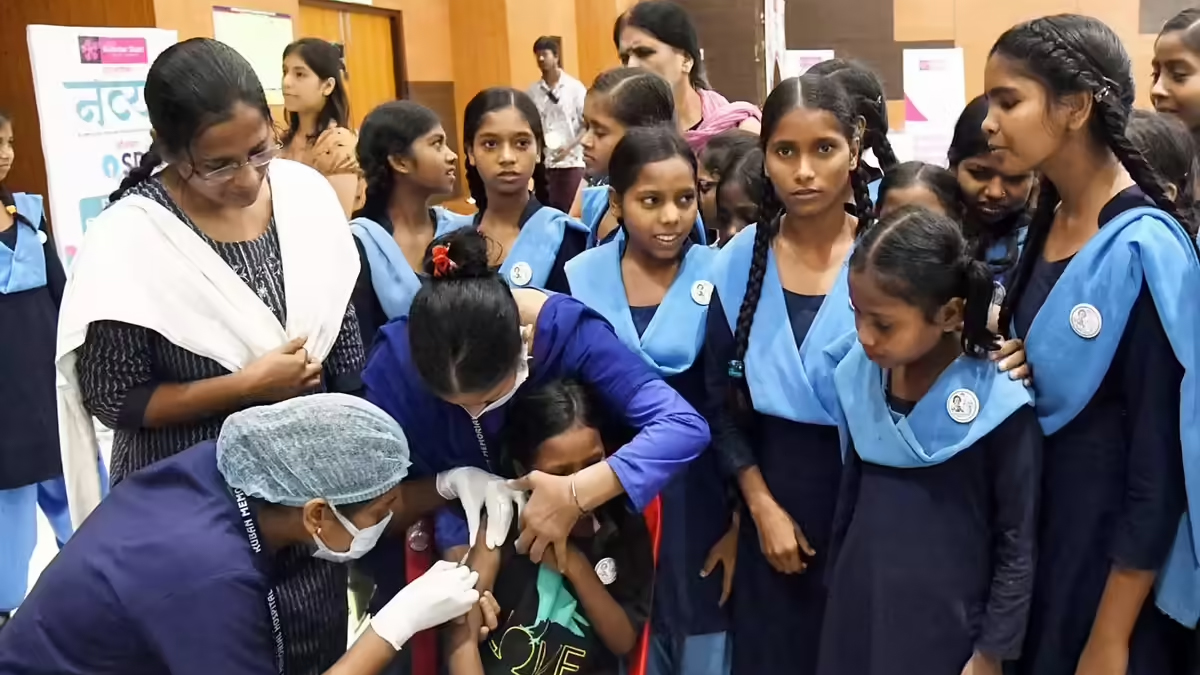
Further, the YSRCP claimed significant improvements in infrastructure and access to modern education for Dalit and marginalized students. Investments were made in digital classrooms, bilingual textbooks, tablets, TOEFL training, and English-medium instruction across public schools. Nearly 400 SC/ST hostel students reportedly secured top ranks in premier entrance exams like IIT-JEE and NEET during this period.
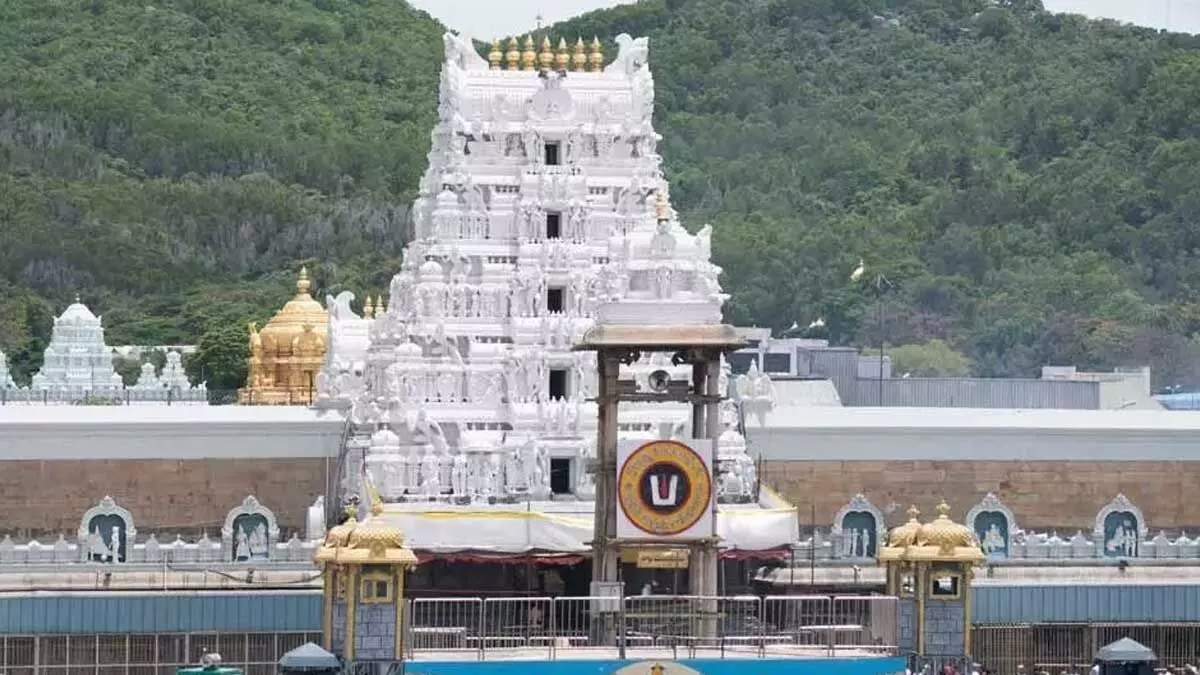
Land ownership and dignity were also a focus area. The government granted 27.41 lakh acres to 15.21 lakh SC assignees and earmarked 1,192 acres for Dalit burial grounds. A cultural-religious outreach called the Dalit and Tribal Govindam brought temple processions and Venkateswara Swamy’s darshan to remote tribal and Dalit villages for the first time.
A Rs 400 crore Ambedkar Smriti Vanam and statue were constructed in Vijayawada as a symbol of social justice. However, following the formation of the NDA-led coalition government in 2024, the monument has reportedly been the target of attacks and neglect. Statues of Ambedkar have faced desecration, garbage dumping, and vandalism, including incidents reported on Constitution Day.
Chandrababu Naidu himself once remarked, “Who would want to be born a Dalit?”—a statement widely criticized as reflective of deep-rooted caste bias. Observers argue that such rhetoric shaped a political culture where systemic neglect and caste-based discrimination became normalized within the TDP’s leadership and governance approach.
Several instances of systemic targeting of Dalit officers and leaders have also surfaced under the current NDA regime. IPS officers, including PV Sunil Kumar and N. Sanjay were either suspended or sidelined, while others such as Paul Raju and Joshua have been denied postings. Former YSRCP Dalit leaders, Nandigam Suresh (ex-MP), Merugu Nagarjuna and Viswarup’s son Srikant (ex-ministers), MLA Tatiparthi Chandrasekhar, MLC Mondithoka Arun Kumar, and ex-MLA Jagan Mohan Rao, have reportedly faced false cases and harassment.
In Vijayawada, the Rs. 400 crore Ambedkar Smriti Vanam, constructed during the YSRCP tenure as a tribute to Dr. Ambedkar and the principle of social justice, has faced a wave of challenges since the NDA alliance came to power. The monument was reportedly attacked, and Dalit organizations have raised alarms over covert efforts to hand over surrounding government land to private entities. Critics argue this could dilute the symbolic and cultural significance of the site, further eroding the legacy of Ambedkar in public life.
During the previous TDP government (2014–2019), Andhra Pradesh was among the top 10 states in the country for SC/ST atrocities. Data from that period shows low FIR registration rates and limited accountability in cases of caste-based violence. Allegations against TDP leaders, including derogatory comments about Dalits and their place in politics and education, have also been widely reported.
Recent incidents, such as the custodial death of Ambati Hussain, derogatory comments made about Dalit children, and reports of brutality against Dalit women, have raised concerns among civil society groups. Critics allege that under the current coalition, there has been a rollback of pro-Dalit welfare policies and a resurgence of caste-based discrimination.
The ideological contrast between the YSRCP’s record and the NDA alliance’s governance is being widely discussed this Ambedkar Jayanti, with observers pointing to stark differences in approach to welfare, representation, and social justice in Andhra Pradesh.