A controversy that began with allegations about a sacred religious offering has now spiralled into a wider crisis of trust, governance, and public order in Andhra Pradesh. What should have been handled with responsibility and restraint instead evolved into a politically charged narrative, followed by unrest, intimidation, and attacks on opposition leaders. The sequence of events suggests not a spontaneous reaction, but a chain of developments rooted in misinformation and amplified for political ends
The Trigger: Allegations on Tirumala Laddu Ghee
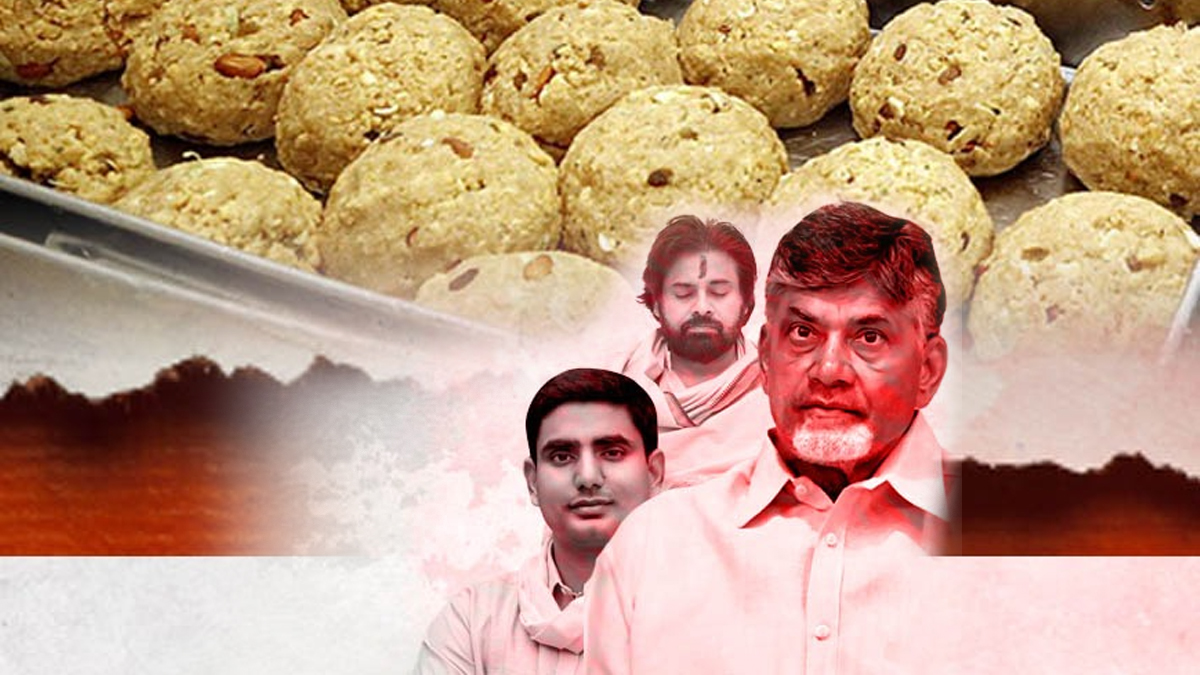
The present turmoil traces back to allegations that animal fat was used in the ghee for Tirumala laddu prasadam. These claims, made at the highest political levels, created shock and hurt among crores of devotees. The issue quickly moved beyond faith into the political arena, shaping public discourse and media cycles.
However, subsequent testing and reports from NDDB and NDRI laboratories confirmed that no animal fat was present in the ghee. This directly contradicted the earlier narrative. By then, the damage to public sentiment had already been done.
Judicial Concern and Continued Propaganda
The Supreme Court questioned how such sensitive claims could be made without proper verification and later ordered a CBI-led SIT probe. The court’s observations highlighted the seriousness of making unverified statements on matters tied to religious faith.
Despite this, the narrative did not fully subside in the political sphere. Public speeches and media discussions continued to reference the allegations, keeping the controversy alive even after lab reports provided clarity.
Media Amplification and Public Sentiment
Statements by senior political leaders and TTD officials in September 2024 were widely amplified. Sections of the media aggressively pushed the story, and misinformation spread rapidly, including through digital platforms. This intensified emotional reactions among devotees and the general public.
When scientific reports disproved the claims, many devotees expressed relief, but also demanded accountability and apologies for the earlier allegations.
From Narrative to Street-Level Tension
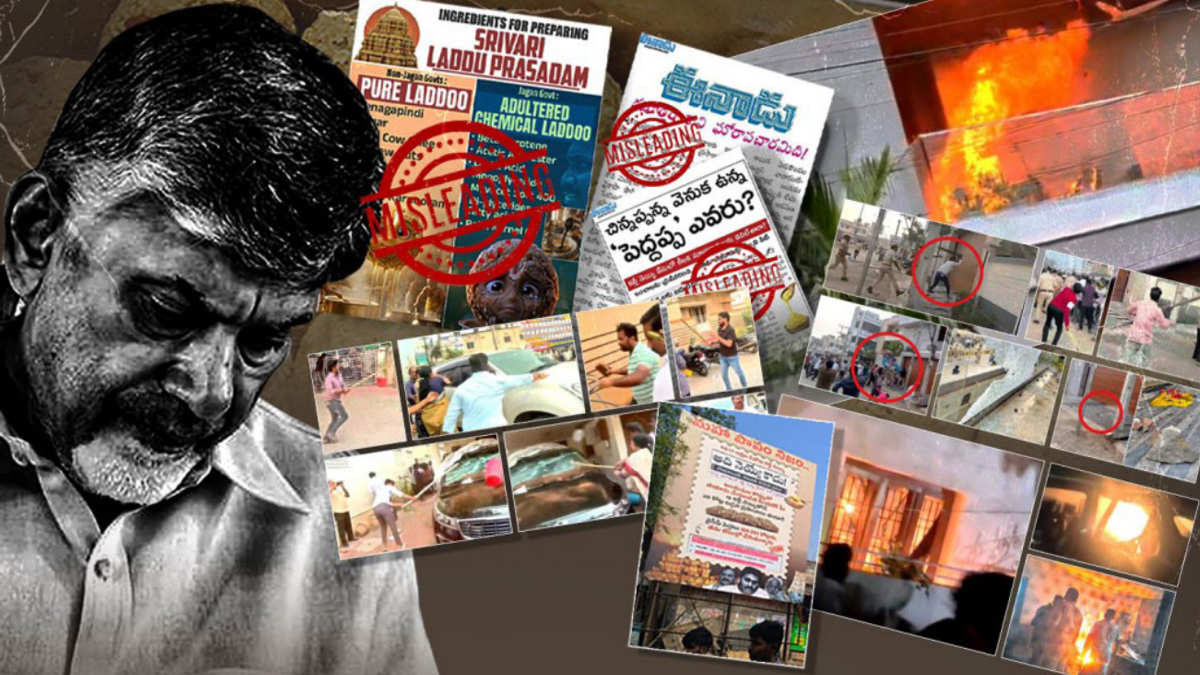
As scrutiny grew, new flashpoints emerged. Flex banners allegedly misrepresenting lab findings appeared in several locations, carrying images of opposition leaders. Protests followed, and political tensions escalated.
Soon after, a series of attacks were reported on opposition figures. Leaders such as Bhumana Karunakar Reddy, Vidadala Rajini, and Bolla Brahmanayudu faced confrontations. The situation worsened when former minister Ambati Rambabu was physically attacked and later saw his residence vandalised despite issuing clarifications about his remarks.
Escalation: Attacks on Leaders’ Homes
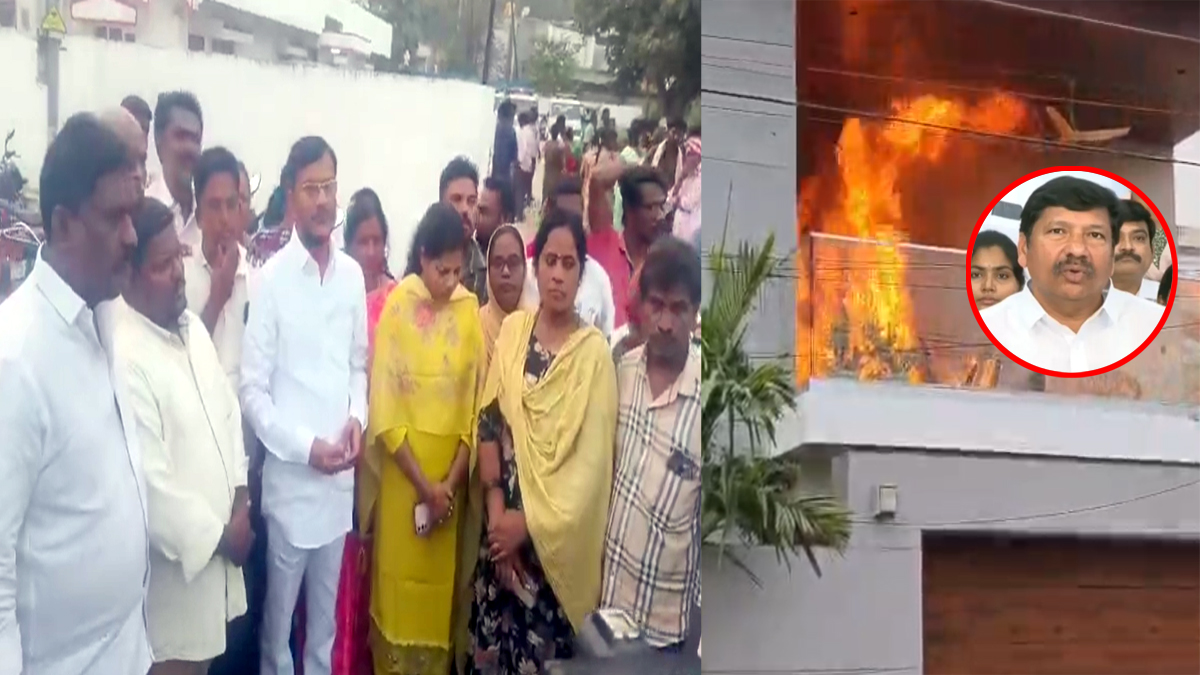
The unrest did not stop there. Former minister Jogi Ramesh’s house was later attacked and set on fire by mobs reportedly using petrol bombs, rods, and sticks. These incidents raised serious questions about law and order and the safety of political figures.
Observers note that the back-to-back targeting of senior leaders created a perception that political rivalry was spilling into physical intimidation.
The Larger Question
The central concern now is not only about how the laddu controversy began, but how it evolved into a broader climate of confrontation. Critics argue that political narratives built on unverified claims can have real-world consequences, especially when tied to faith and identity.
With devotees across the world seeking accountability over the original misinformation, the episode stands as a case study in how sensitive issues, once politicised, can trigger ripple effects far beyond their starting point.