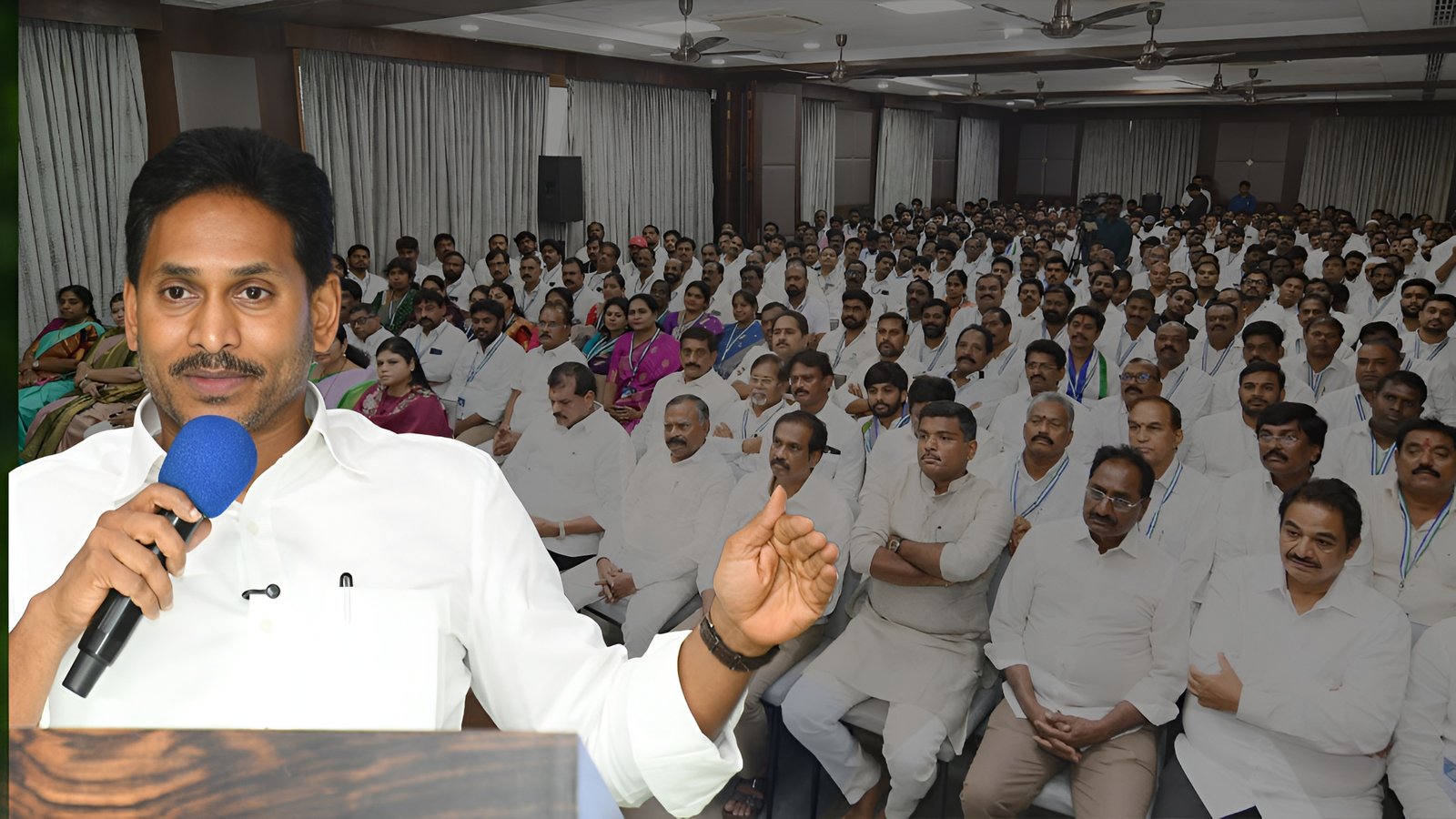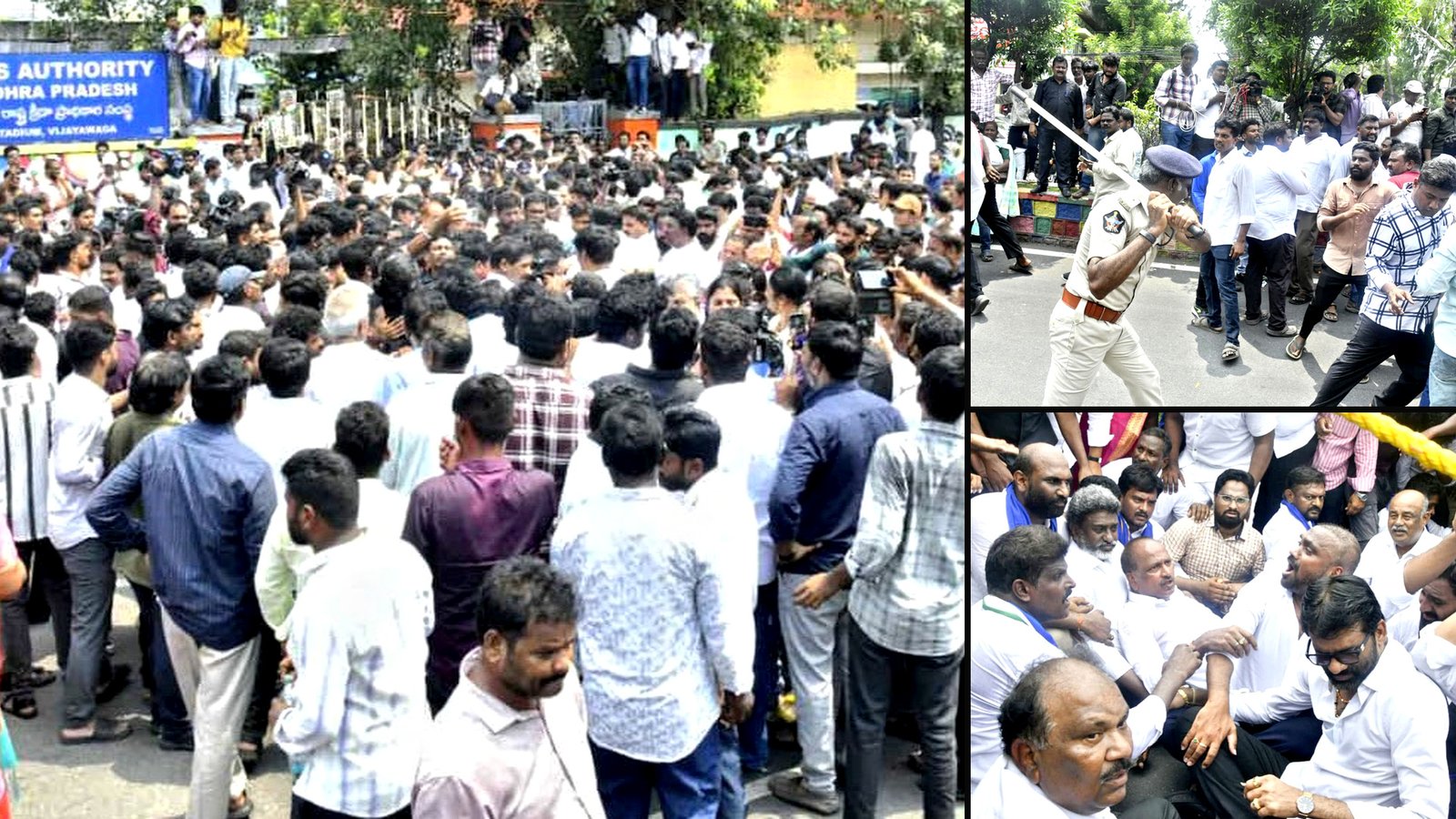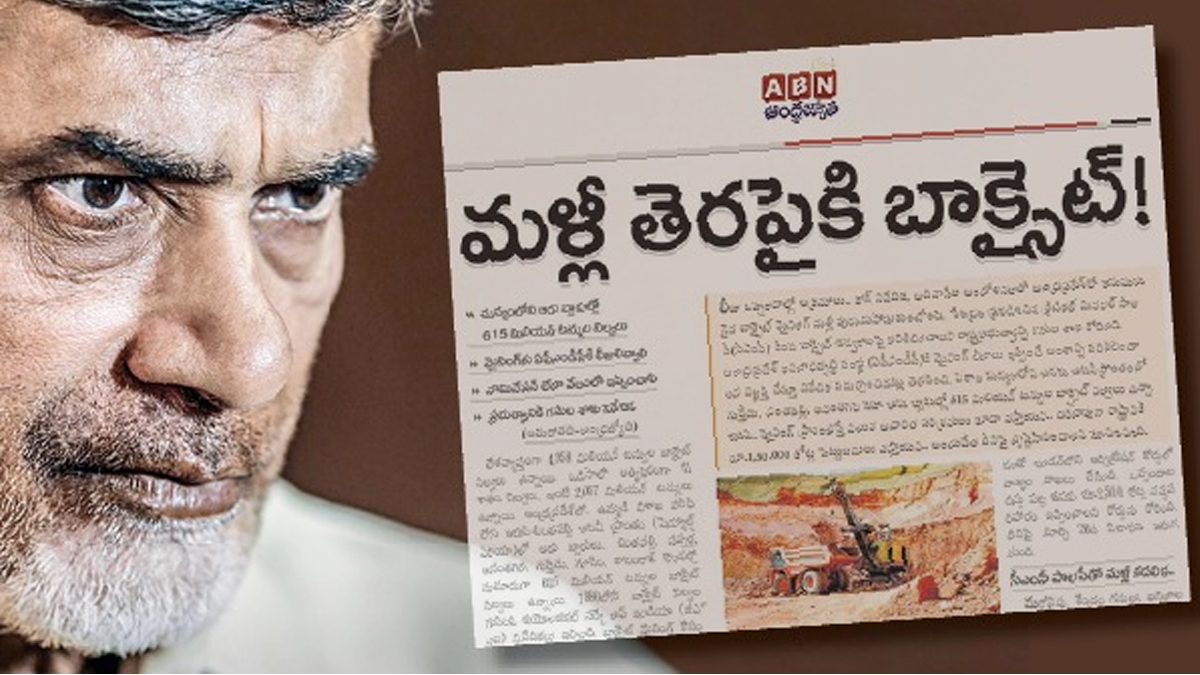
The coalition government appears determined to revive bauxite mining in tribal areas, moving stealthily like water under the carpet. During his historic Praja Sankalpa Padayatra, YS Jagan Mohan Reddy gave tribals his word: bauxite mining would be permanently stopped. True to that promise, within months of coming to power in 2019, his government imposed a complete ban on bauxite extraction. Now, however, a fresh report from the state Mines Department has landed on the coalition government’s table, urging a “review” of the ban and openly advocating the resumption of mining in Araku. The document argues that allowing mining will attract value-added industries. Critics see this not as development, but as a clear and present danger to the fragile environment and a callous betrayal of tribal lives and livelihoods.
Coalition now targeting Bauxite
Across Andhra Pradesh, coalition leaders have turned land grabbing, illegal sand mining, liquor syndicates, and other mining scams into major sources of power and profit. Their attention has now shifted to the rich bauxite deposits lying beneath tribal lands in the Araku division. Quiet preparations are underway to exploit what is arguably the state’s most valuable untapped mineral resource.
Andhra Pradesh: India’s second-richest state in Minerals
Andhra Pradesh ranks second nationally in mineral wealth. The state is home to a remarkable variety of resources, industrial minerals, metallic ores, rare earth elements, and beach sand minerals, and produces around 42 different minerals. It enjoys a particularly strong position in industrial minerals. Notably, about 12% of India’s total bauxite reserves are located in East Godavari and Visakhapatnam districts. All mineral exploration and mining activities fall under the regulation of the Department of Mines and Geology.
Chandrababu’s 2015 Push for Bauxite Mining – and Its Collapse
Soon after Chandrababu Naidu returned as Chief Minister in 2014, his government began clearing the path for bauxite mining. In November 2015, a Government Order awarded Andhra Pradesh Mineral Development Corporation (APMDC) a mining lease covering 1,212 hectares in Chintapalli and Jerrela areas of Visakhapatnam Agency , land that included forest areas requiring diversion. The decision sparked fierce resistance from tribal communities and environmental groups. Large-scale protests by Adivasis forced the government to back down: the lease GO was withdrawn and agreements with companies like Anrak and Jindal were cancelled. Yet persistent allegations remain that certain TDP functionaries continued to extract and sell bauxite illegally, amassing personal wealth in the shadows.
YS Jagan’s Unwavering Commitment: Total Ban in 2019
Andhra Pradesh holds an estimated 600 million tonnes of bauxite reserves. Throughout TDP’s 2014–2019 rule, every effort was reportedly made to exploit these deposits. During his padayatra, YS Jagan repeatedly assured the people of Visakhapatnam Agency that he would scrap all bauxite mining leases if elected. Upon assuming office, he fulfilled that promise decisively. In 2019, his government cancelled all previous permissions for mining across roughly 1,520 hectares in Chintapalli, Araku, and Ananthagiri mandals through a series of GOs (MS Nos. 80 to 85). The move was framed as essential to safeguard tribal rights and protect the environment. For the entire five-year term, the YSRCP government never once wavered from this stand.
Coalition’s fresh strategy to restart the loot
Since the coalition assumed power, liquor distribution and sand mining have reportedly become near-monopolies controlled by its leaders and MLAs, generating enormous unofficial revenue. Citing the Centre’s Critical Minerals Policy, the Mines Department has now formally recommended that the state re-examine bauxite mining, specifically proposing that APMDC be granted fresh leases. According to the department’s report, six blocks in the Araku region (including Gurtheda, Chintapalli, and Ananthagiri) contain around 615 million tonnes of high-grade bauxite. The pitch: mining will trigger downstream industries and deliver massive revenue to the state.
The YSRCP has condemned the move as a carefully orchestrated plan to resume large-scale plunder of tribal resources. Irreversible Damage Bauxite Mining Would Cause
- Widespread deforestation, severe water pollution, and accelerated soil erosion
- Contamination of major rivers and tributaries (Sabari, Godavari system), worsening water scarcity in Agency areas
- Destruction of rich biodiversity , plants, animals, entire ecosystems , with long-term disruption of environmental balance (similar devastation has already occurred at projects like Sijimali in Odisha)
- Proven history: previous mining attempts in East Godavari left tribal farmers facing acute water shortages and ruined agriculture
Devastating Impact on Tribal Communities
- Loss of ancestral lands and traditional livelihoods (coffee estates, minor forest produce collection)
- Displacement and forced migration from nearly 270 affected villages
- Erosion of tribal culture, customs, and way of life
- Surge in health issues from dust, air pollution, and contaminated water
- Past proposals repeatedly sparked mass protests, strengthened Maoist influence, and led to violent clashes
Importantly, the landmark 1997 Samata Judgment explicitly prohibits private companies from mining on tribal (scheduled) lands. Critics charge that the coalition is now attempting to override even this Supreme Court safeguard in its pursuit of bauxite wealth. The battle over Araku’s bauxite is once again heating up with tribal rights, ecology, and the rule of law hanging in the balance.