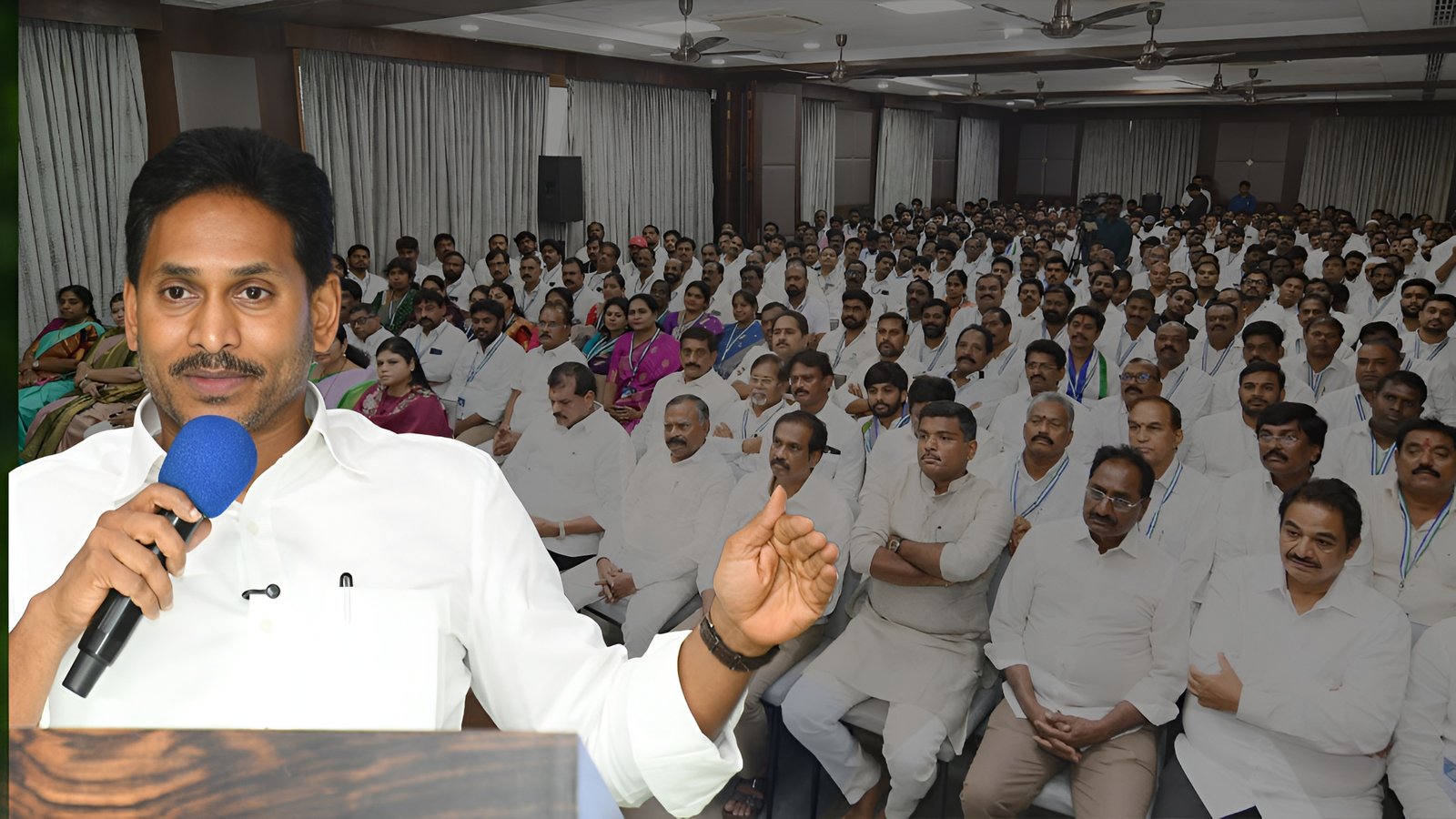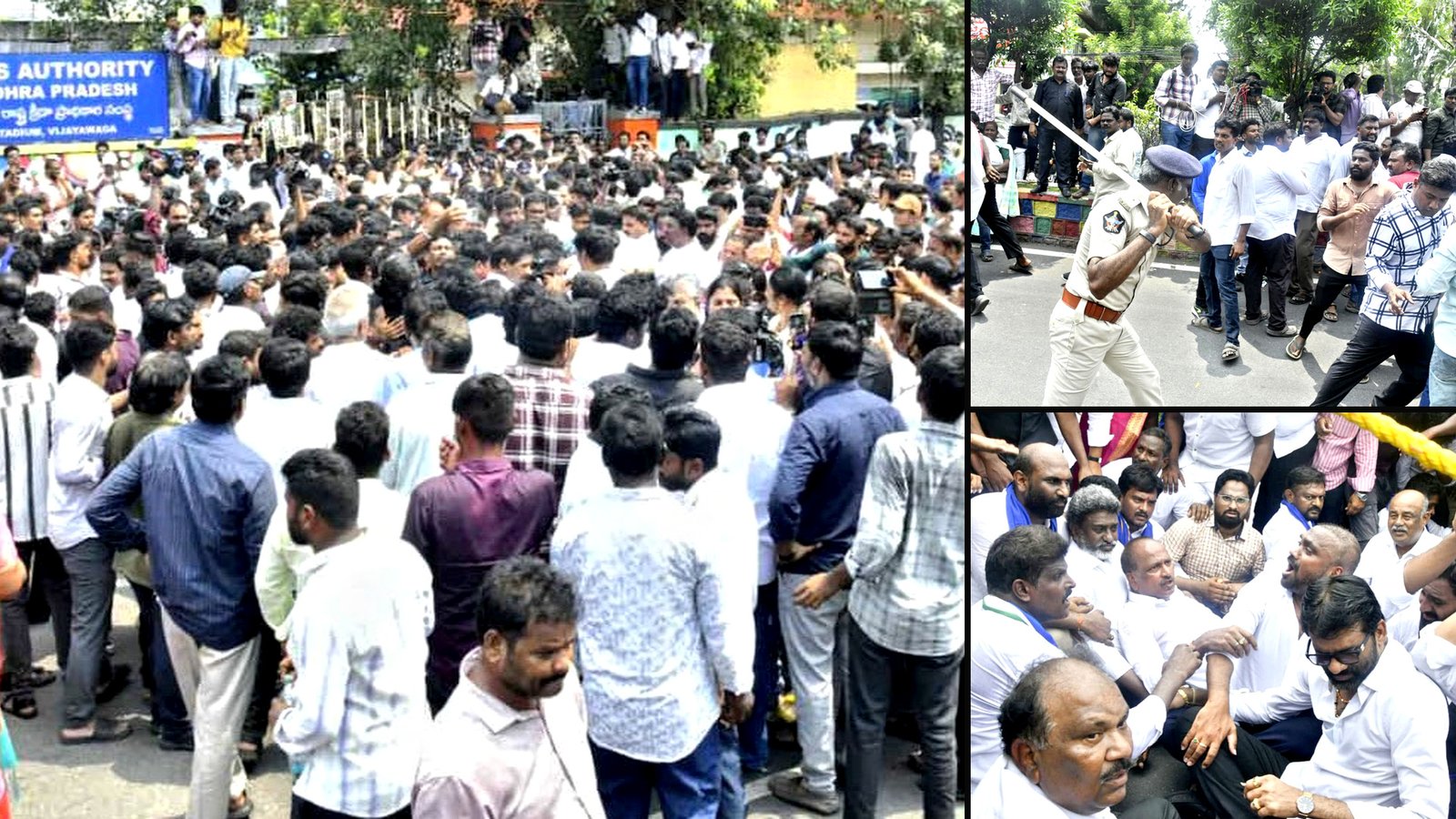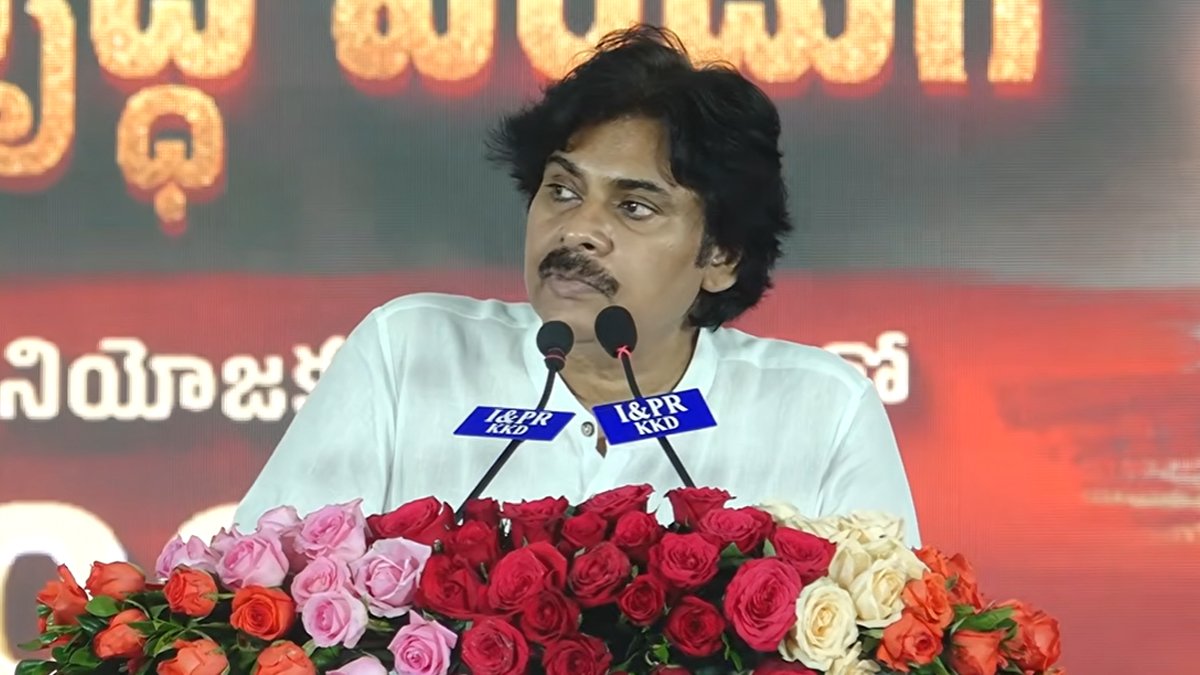
Amid repeated references to “destruction” and past governments, the Chandrababu Naidu–led coalition is facing mounting criticism for prioritizing propaganda over performance, even after 20 months in office and three budgets.
Rhetoric of ‘Destruction’ vs. Record in Office
Nearly two years into its tenure, the coalition government is failing to present clear, measurable achievements in welfare or development. The government is unable to point to major new schemes or landmark works and instead relies on repeating allegations of “destruction” under the previous regime. Even during the presentation of the third budget, the focus remained more on blaming the past than outlining fresh accomplishments or a forward-looking roadmap.
‘Super Six’ Promises and Delivery Gap
During elections, coalition leaders prominently campaigned on “Super Six” and “Super Seven” welfare promises. According to opposition claims, several of these have only been partially implemented or diluted. As questions grow over unmet assurances, the coalition has intensified its criticism of the previous Y.S. Jagan Mohan Reddy government, alleging financial and institutional damage that they say they are trying to repair.
Laddu Row and the ‘22A Land’ Debate
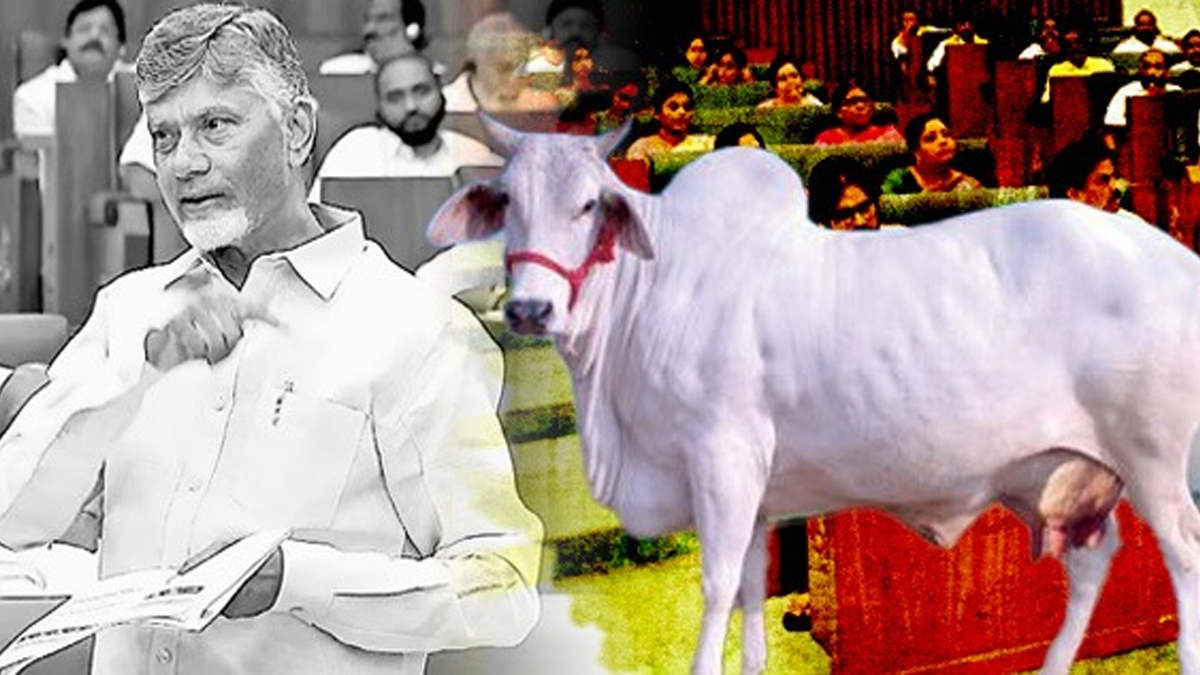
The Tirumala laddu controversy continues to echo in political debates. Although national institutions such as NDDB, NDRI and a CBI-led SIT concluded that no animal fat was found in ghee samples, yet the issue remains politically alive in Assembly discussions.
Another flashpoint is the “22A land” claim linked to a helipad in Tadepalli. The 10.04 acres in Survey No. 223/226/C2 were already under dispute between a private party and the Railways and that records indicate the land was placed in the prohibited list in 2016 during the TDP government itself. With Railway permissions in place for helipad use, the current accusations against the previous government were misleading.
Sympathy Politics and Abuse
Assembly proceedings have also seen heated exchanges over personal remarks and political decorum. Coalition leaders have accused the opposition of personal insults, while YSRCP leaders counter that their families were not targeted and recall past instances where harsh language was used against Y.S. Jagan and his family by TDP figures.
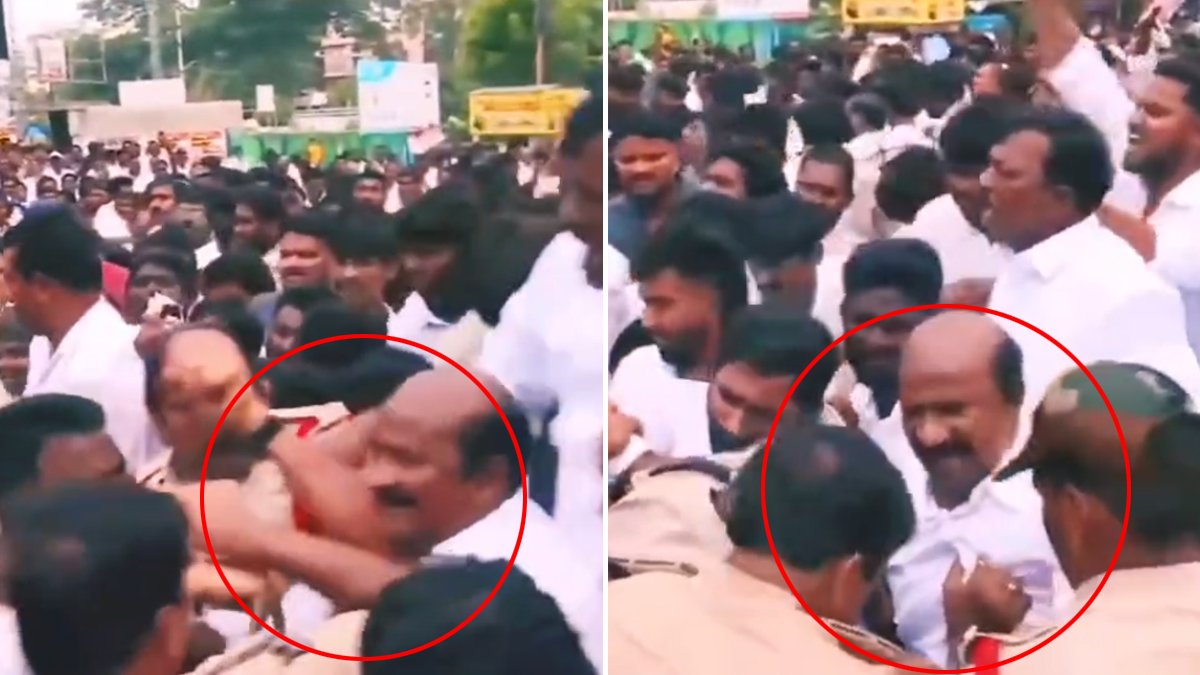
The case of YSRCP leader Ambati Rambabu has further fueled debate. YSRCP says he reacted strongly after provocation and later expressed regret, yet faced legal action and attacks on property. They contrast this with attackers receiving bail.
Praise politics vs. Public issues
Several coalition MLAs and MLCs spent Assembly time praising top leadership rather than pressing public-interest issues. Personality-focused speeches are overshadowing discussions on livelihoods, prices, employment and welfare delivery.
No Major New Welfare Push?
Despite three budgets, the coalition has not introduced a flagship welfare scheme comparable in scale to earlier programs. In contrast, the previous government is credited by its supporters with delivering about Rs. 4.10 lakh crore through DBT and non-DBT schemes even during two COVID-affected years. The coalition has not only struggled to roll out its promised schemes but also scaled back some existing ones.
Debt and Fiscal Stress
Around Rs. 3.27 lakh crore has been borrowed in about 20 months. This contrasts with the previous government’s five-year borrowing figure of roughly Rs. 3.32 lakh crore.
Sectoral Concerns Raised
Education:
Dilution of programs such as Amma Vodi (renamed), rollback of English-medium push, tabs, digital content and Nadu-Nedu works, alongside falling enrollments.
Fee Reimbursement & Hostels:
Backlogs of thousands of crores are cited, along with concerns about hostel facilities and student welfare.
Agriculture:
Weakening of RBKs, MSP concerns, reduced input support, crop insurance changes and fertilizer shortages
Power & Charges:
Hikes in electricity and registration charges adding a burden of around Rs. 20,000 crore, while regulatory-mandated reductions are portrayed as government generosity.
Health:
Pending Aarogyasri dues, stalled health-support schemes, pressure on public hospitals and strain on 104/108 services are raised as issues.
Women’s Welfare:
Questions are raised about the status of monthly assistance promises, free cylinder distribution, DWCRA support and limited free bus travel.
Law & Order and Governance Issues
- Political attacks and arrests targeting opposition
- Cases on social media activists and journalists
- Spread of drugs and illicit liquor
- Crimes against women
- Allocation of government lands to associates
- Sand mining controversies
- Industrialist intimidation claims
- Misconduct by some legislators
- Setbacks in projects like Polavaram
- Temple-related incidents and crowd mishaps
- Attacks on Dalits and BC communities
Politics of Blame or Politics of Delivery?
The broader political battle now centers on perception: whether the coalition is genuinely repairing systems or over-relying on blame and narrative management. With elections still some distance away, both sides appear to be shaping their stories early, one around “damage control,” the other around “broken promises.” For voters, the key question may ultimately be simpler: beyond the rhetoric, which side can demonstrate tangible improvements in daily life.